
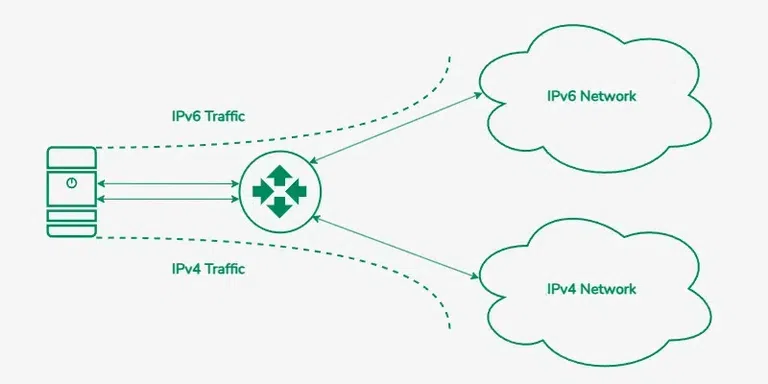
The transition from IPv4 to IPv6 comes with great IPv4 address exhaustion, but many networks still depend on IPv4 infrastructure. This has left the idea to convert from IPv6 to IPv4 as a major need for enterprises, cloud providers, ISPs, and data center. IPv6 to IPv4 conversion allows compatibility with the old systems, facilitates uninterrupted communication, and helps companies to remain stable in their operations as they move through mixed IPv6-IPv4. The guide discusses the reasons to convert from IPv6 to IPv4, available tools and techniques and the best practices of converting to IPv6 and IPv4.
Reasons to Convert from IPv6 to IPv4
Most companies opt to upgrade their IPv6 to IPv4 to ensure a seamless operation of the system. Older devices, software as well as networks continue to be very supportive of IPv4. There are applications that do not fully work with IPv6, and this may lead to a problem with the connection. It is easy to handle it through the teams that have fewer technical capabilities.
It is also compatible with the existing security tools as well as firewalls. In the case of companies with legacy systems, IPv4 has the benefit of lessening the compatibility risks. In other places, when you buying IPv4 block know that they are more predictable and stable. Conversion saves time when businesses are not online, saves money, and gives users permanent access to all the platforms.
Popular Tools to Convert from IPv6 to IPv4
Dual Stack
Dual Stack is among the most reliable mechanisms of managing IPv6 and IPv4 simultaneously. It enables the networks as well as devices to operate the two types of addresses simultaneously. This eases the process of communication, makes it more stable and secure, and systems gradually switch between protocols without the upgrades interrupting services and confusing users.
NAT64 and DNS64
DNS64 and NAT64 applications assist IPv6-only users in accessing IPv4 servers without any challenge. They map the requests of traffic as well as domains between the two systems. Service providers commonly use this setup to upgrade old services while new networks develop in a secure, manageable and business-friendly manner across regions and high population markets.
IPv6 Tunneling Tools
IPv6 tunneling applications such as 6to4 and the Teredo enclose IPv6 information within IPv4 packets. This enables IPv6 traffic to traverse the IPv4 networks. It comes in handy when complete upgrades are not available, providing a viable linkage to connectivity in mixed network systems in the initial stages of transition to the expanding companies across the globe today.
Internet IPv6 to IPv4 Conversion Tool
Internet protocol IPv6 to IPv4 conversion sites offer fast tests as well as ease of translation. They are simple to operate and useful in testing, learning and minor tasks. These tools are useful to teams that require rapid results without extensive network modifications or intricate setup expenses. Thus, this way, they turn out to be perfect for fast reviews, demonstrations, and planning.
Step-by-Step Guide to Convert from IPv6 to IPv4
Step 1: Check Your Network Needs
Begin by checking what you have on your network. Determine the areas of IPv6 functionality and where IPv4 is still necessary. This transparent overview is enough to make a correct choice, prevent risks, and consider changes as per your business objectives without waste of time, additional expenses, and service problems in the future.
Step 2: Choose the Right Conversion Method
Choose the most appropriate method. The long-term plans are easy to cover with dual stack, and the short-term aims with NAT64 or tunneling. The correct decision is one that will provide stable access, uninterrupted traffic and the reduction of support problems to users, partners, and related systems in all locations and be able to provide reliable access.
Step 3: Configure Network and Devices
Install routers, firewalls and servers according to the option. Implement proper rules of address as well as check connections. Efficient configuration minimizes mistakes, safeguards information and ensures that services remain operational during the data conversion process for the users, clients and the internal teams on a daily basis online without any huddles.
Step 4: Test Performance and Security
Perform the testing of speed, access as well as security as you buy IPv6 addresses. Track traffic and resolve problems at an early stage. The testing helps in ensuring that IPv4 services are accessible and that IPv6 users have the same hassle-free environment with web applications, emails and business applications they use in their daily activities anywhere in the world.
Step 5: Monitor and Improve Over Time
Once launched, continue monitoring performance as well as user feedback. Modify settings as you buying IPv4 block when necessary and strategize on upgrades. Continuous maintenance means a stable connection, satisfied users, and a clear way to complete modernization of the network that helps to develop, to be safe, and to have long-term digital aims of your company and customers.
Challenges to Convert from IPv6 to IPv4
Converting from IPv6 to IPv4 comes with several challenges. The availability of IPv4 addresses is low and hence may be costly. There are current systems that are mostly IPv6-based and might need revision. Without being handled with care, configuration errors can lead to downtime. The security settings might require some changes towards IPv4 standards. The transition period may negatively affect the network performance.
To handle the process in a proper way, skilled staff is required. Testing is time and plan-consuming. Lack of an effective strategy can lead to compatibility problems in businesses. These difficulties can be overcome by judicious planning, adequate equipment and expert assistance, which will make the conversion as seamless as possible.
Power Your Network with Trusted IPv4 Solutions with us
At IPv4 TradeHub, we help businesses stay connected in a hybrid IP world. Whether you need IPv4 addresses for NAT64, legacy system support, or seamless IPv6-to-IPv4 conversion, our marketplace delivers secure, compliant, and ready-to-use IPv4 resources. With transparent pricing, fast transfers, and expert support, our platform ensures your infrastructure remains future-ready without disruption.