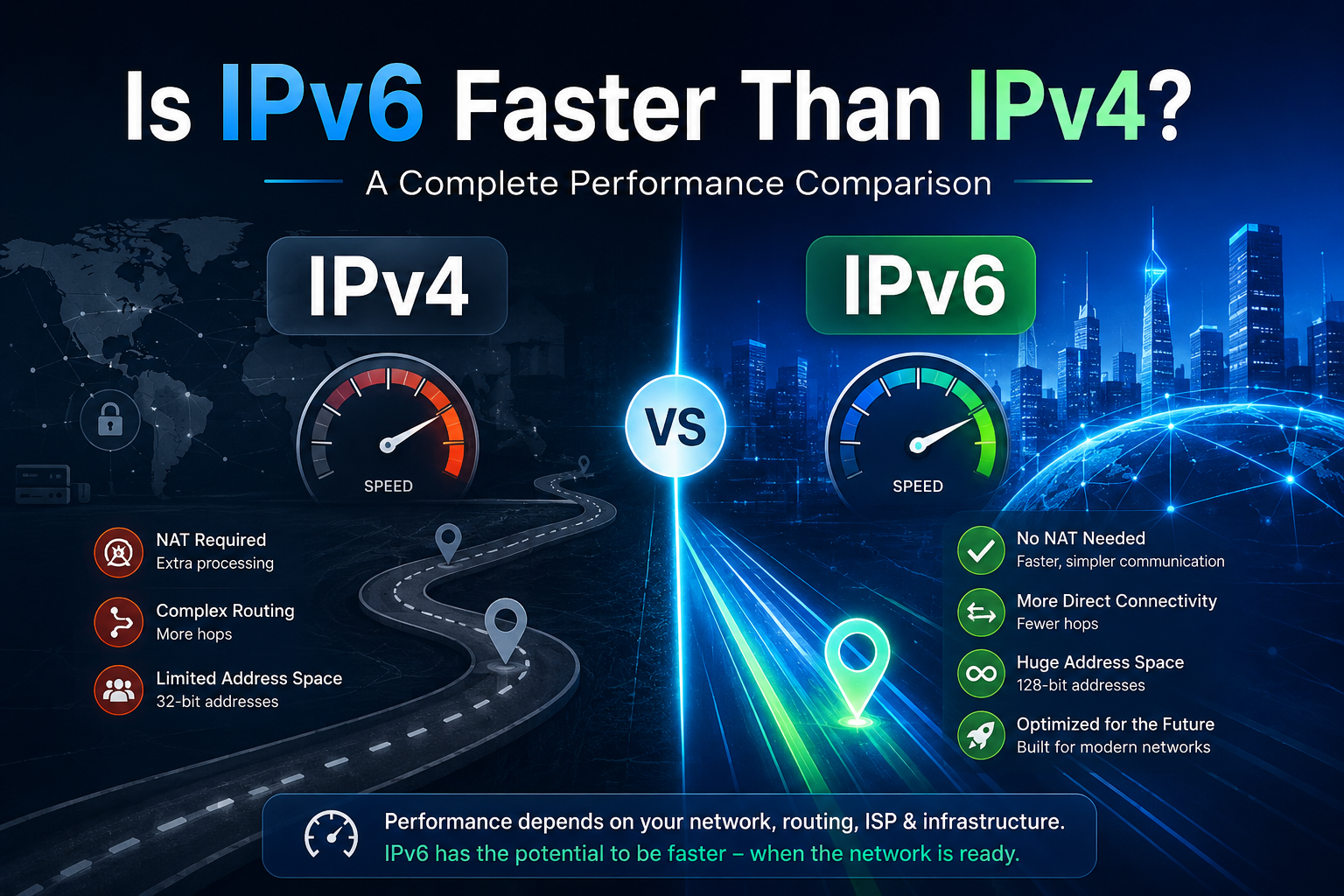
Is IPv6 Faster Than IPv4? Real-World Differences
IPv4 and IPv6 are two types of Internet Protocol (IP) that help in communication between devices online. IPv4 is an
Explore insights, ideas, and innovations – one blog at a time.

IPv4 and IPv6 are two types of Internet Protocol (IP) that help in communication between devices online. IPv4 is an

IPv4 addresses are increasingly scarce as the internet continues to grow, making available address space a valuable digital asset. This

IPv4 address exhaustion has become a global concern as available addresses have nearly run out, yet demand continues to rise

IPv6 adoption is steadily increasing worldwide as the internet continues to expand and demand more scalable connectivity solutions. Unlike IPv4,

An IPv4 address is a special numerical identifier attached to every device that is linked to the Internet. This unique

IPv4 addresses are distinctive numerical numbers that are assigned to devices on the internet, to allow smooth communication between the

IPv4 addresses are unique numerical identifiers assigned to devices on a network, enabling global internet communication. Due to the exhaustion

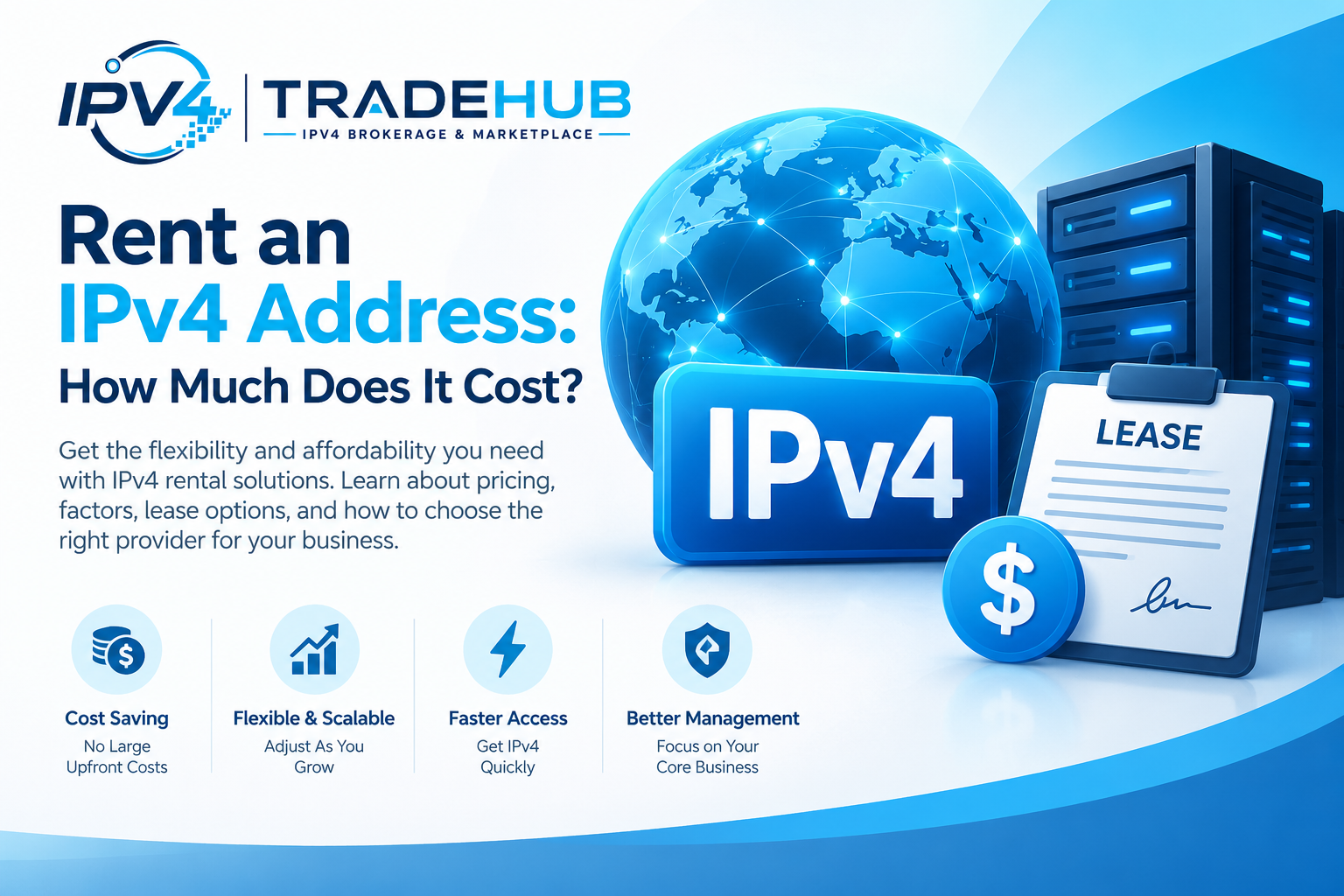
IPv4 rental is a networking service in which businesses can lease IP addresses rather than purchasing them. This solution is

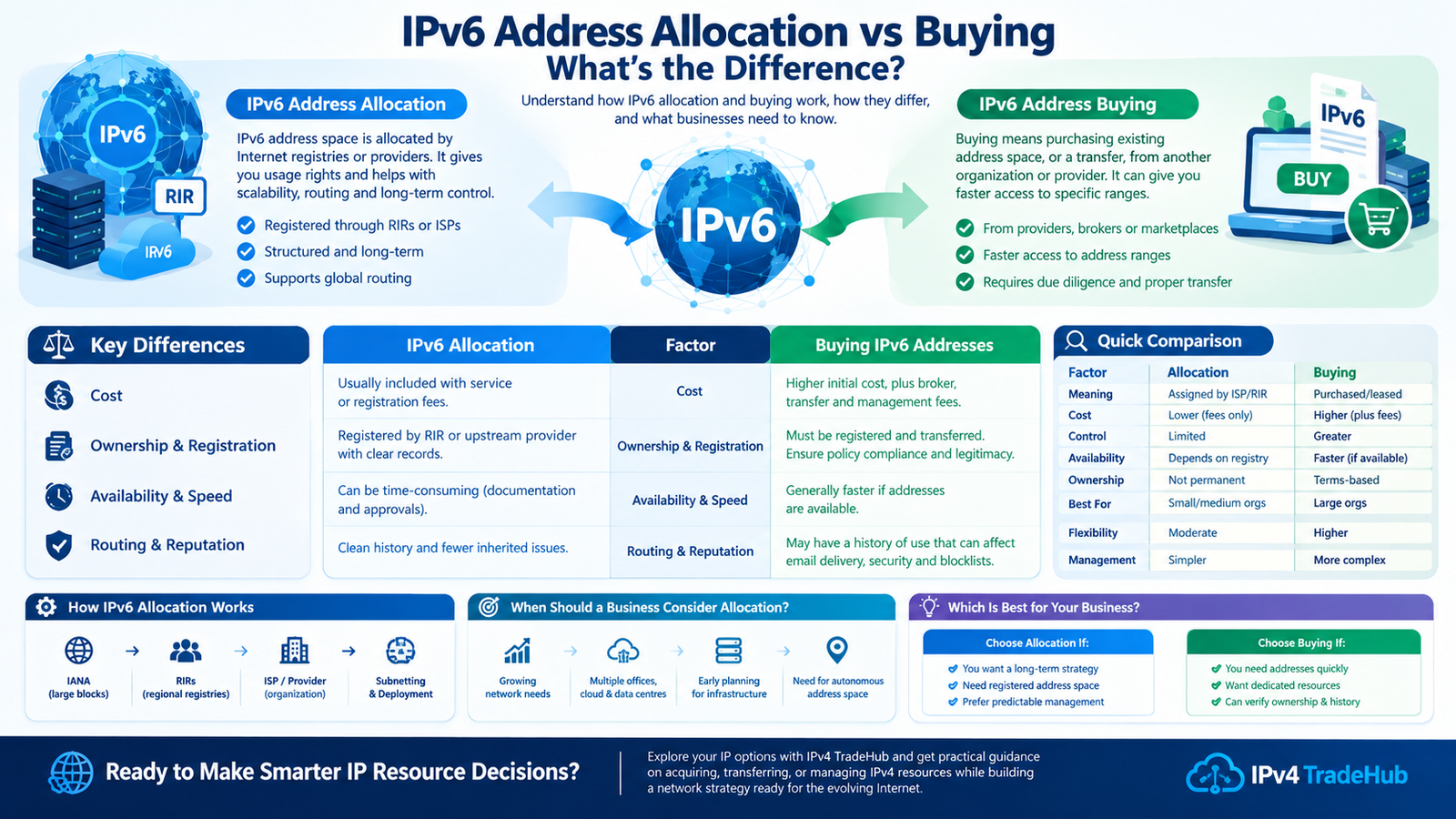
Internet Protocol version 6 (IPv6) is the most recent version of the Internet Protocol. This address helps to identify and

In 2026, IPv4 addresses will continue to be an important digital resource because of the continued growth of the internet

The internet relies on special numbers known as IP addresses to connect devices all over the world. Through these addresses,

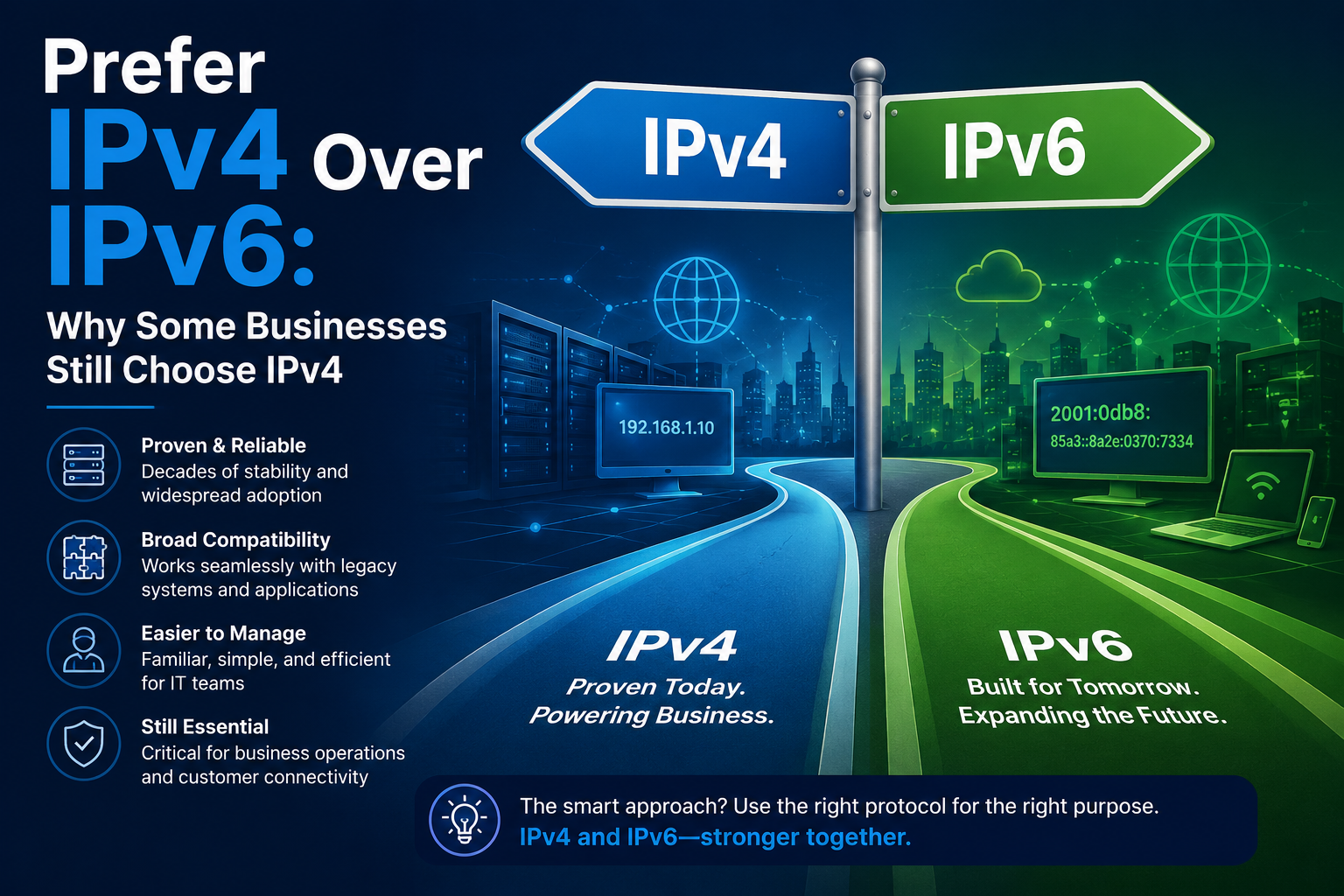
The transition from IPv4 to IPv6 has been one of the most significant evolutions in internet infrastructure. IPv6 was introduced

IPv4, the long-standing Internet Protocol, uses 32-bit addresses, supporting about 4.3 billion unique devices. In contrast, IPv6 uses 128-bit addresses,

The internet operates under IP (Internet Protocol) addresses, which allow the device to smoothly communicate. There are two major versions

The fast growth of devices connected to the internet has brought an urgent necessity to have a more scalable system

The internet uses IP addresses to locate and establish links between devices in networks. As the world goes digital, the

IP addresses are the basis of the internet, and they consist of unique number identifiers of assigned devices. The two

IPv6 and IPv4 are fundamental Internet protocols with different addresses. With the advancement of networks, the idea to convert IPv6

Digital networking is all about IP addresses, which identify the device in a unique way and make communication between them

The internet generally runs through Internet Protocol (IP) addresses, which enable devices to communicate over the networks. Internet Protocol version

The newest form of the Internet Protocol is IPv6. It’s main purpose was to resolve the increasing limitations of IPv4,

The demand for IPv4 addresses has risen with the growth of networks and the Internet of Things (IoT), which is

The demand for IPv4 addresses remains strong despite the global rollout of IPv6. International business organisations are using IPv4 infrastructure

The growing demand for internet connectivity and digital infrastructure has made IPv4 addresses a valuable and scarce resource. Companies, cloud
Experience Seamless and Secure IPv4 Trading Solutions
Buy, Sell, or Lease IPv4 Blocks Globally with Full Confidence.