
The internet relies on special numbers known as IP addresses to connect devices all over the world. Through these addresses, devices can communicate and exchange data over multiple networks in an efficient manner. There are two versions that are in use today, which are IPv4 and IPv6. IPv4 has helped the expansion of the internet over the decades and has a good performance. But the growing demand posed a constraint on address space. IPv6 helps to address these issues and increase capacity. This guide in-depth explain the difference between IPv4 and IPv6 addresses.
Overview to Explain the Difference Between IPv4 and IPv6
In Internet Protocol, two versions support to communicate with devices, which are IPv4 and IPv6. The older one is IPv4, which is in use in the current networks globally. Hence, it has an address system that is 32-bit in nature, which restricts the number of distinct addresses. IPv6 helps to address these shortcomings and enable the expansion of the internet in the future. It has an address format of 128 bits that supports many more unique addresses.
IPv6 is also more secure, efficient and improve the network performance. Although IPv4 is still predominant, IPv6 has been steadily gaining use. Better compatibility and scalability, both protocols are used together in many networks.
Key Aspects: Explain the Difference Between IPv4 and IPv6
Length and Capacity of Addresses
When you buy IPv4 address, know that it has a 32-bit address space, which restricts the number of IP addresses available in the world. The IPv6 protocol has a 128-bit architecture, which provides a very large quantity of addresses. This expansion is a solution to the problem of exhaustion due to the increased use of the internet. IPv6 accommodates future technologies that have greater scalability and connections of devices.
Address Representation Format
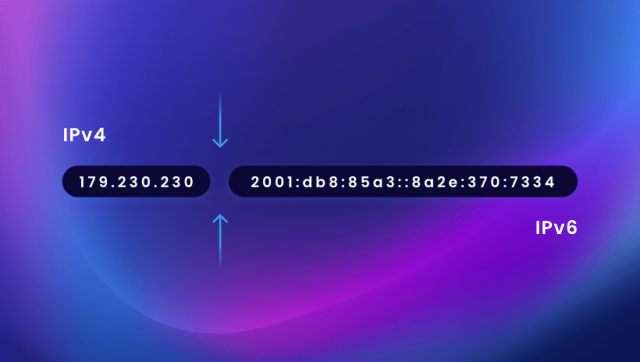
The IPv4 addresses are written in decimal form,, divided by dots. IPv6 encodes the hexadecimal numbers using the colon divider to generate longer address formats. The IPv6 format might appear to be complicated, yet it enables more combinations. This format serves a bigger pool of addresses effectively.
Network Configuration Methods
IPv4 can be configured by hand or using DHCP to assign an address. The process may augment administrative work within big networks. IPv6 has automatic configuration that makes the network set-up easy. Devices can create their addresses automatically.
Security Features and Implementation
IPv4 lacks built-in security and relies on third-party solutions. This adds dependency on further measures for safety. IPv6 incorporates the concept of IPSec as an inbuilt aspect of secure communication. This guarantees enhanced data integrity and encryption.
Network Address Translation (NAT)
NAT is very important in IPv4 because of the poor availability of addresses. NAT enables the use of one common public IP address by more than one device. IPv6 lease removes the necessity of NAT and has excess address space. This enhances direct communication among devices in networks.
Data Routing Efficiency
Complex network structures may result in less efficient IPv4 routing. This may result in increased latency and slower performance. IPv6 enhances routing because it simplifies the packet headers. Smooth routing improves the speed and overall performance of the network.
Multicast vs Broadcast Communication
IPv4 involves broadcast communication by sending data to all devices. This may add redundant network traffic and efficiency. IPv6 substitutes the broadcast with the multicast and anycast communication modes. The techniques are device-specific, which enhances the general functioning.
Compatibility and Adoption
IPv4 is extensively found in available systems and equipment across the globe. There are still several legacy systems that use IPv4. The use of IPv6 is increasing continuously with the current modernization of infrastructure. Dual-stacking systems support both protocols to run at the same time.
Difference Between IPv4 and IPv6: Which is Best?
IPv4 is still popular because of its simplicity and international compatibility. But it cannot satisfy increasing IP address requirements. IPv6 offers a scalable solution that has an address space that is significantly larger. It also provides enhanced security and efficiency of networks. Despite benefits, when you buy IPv6 proxies know that its implementation needs infrastructure support and technical skills.
Dual-stack implementation is common in many organizations that apply both protocols. IPv6 is deemed the future of internet connectivity and innovation. The selection of the most appropriate option is based on the needs of the network and long-term objectives.
FAQs: Common Questions People Often Ask
1. What is the main difference between IPv4 and IPv6?
IPv4 address length is 32 bits, and IPv6 is 128 bits, which offers many more IP addresses and better scalability.
2. What is the reason why IPv6 is replacing IPv4?
IPv6 is used to replace IPv4 because of address exhaustion. It offers a greater address space and enhanced performance, security and network efficiency.
3. Is it possible to use IPv4 with IPv6?
Yes, they can coexist through dual-stack systems. It can enable devices to talk the IPv4 and IPv6 protocols at the same time.
4. Does IPv6 have a higher speed than IPv4?
IPv6 may be quicker because routing is not so complicated and NAT is absent, but the real speed depends on the network structure and infrastructure.
Upgrade Your Network with IPV4 TradeHub Today!
Looking to buy, sell, or lease premium IPv4 addresses? IPV4 TradeHub is your trusted marketplace for secure, fast, and reliable IP transactions. Whether you are scaling your infrastructure or optimizing network resources, we provide verified listings, competitive pricing, and expert support every step of the way. Join us today and unlock seamless connectivity solutions tailored to your business needs.