
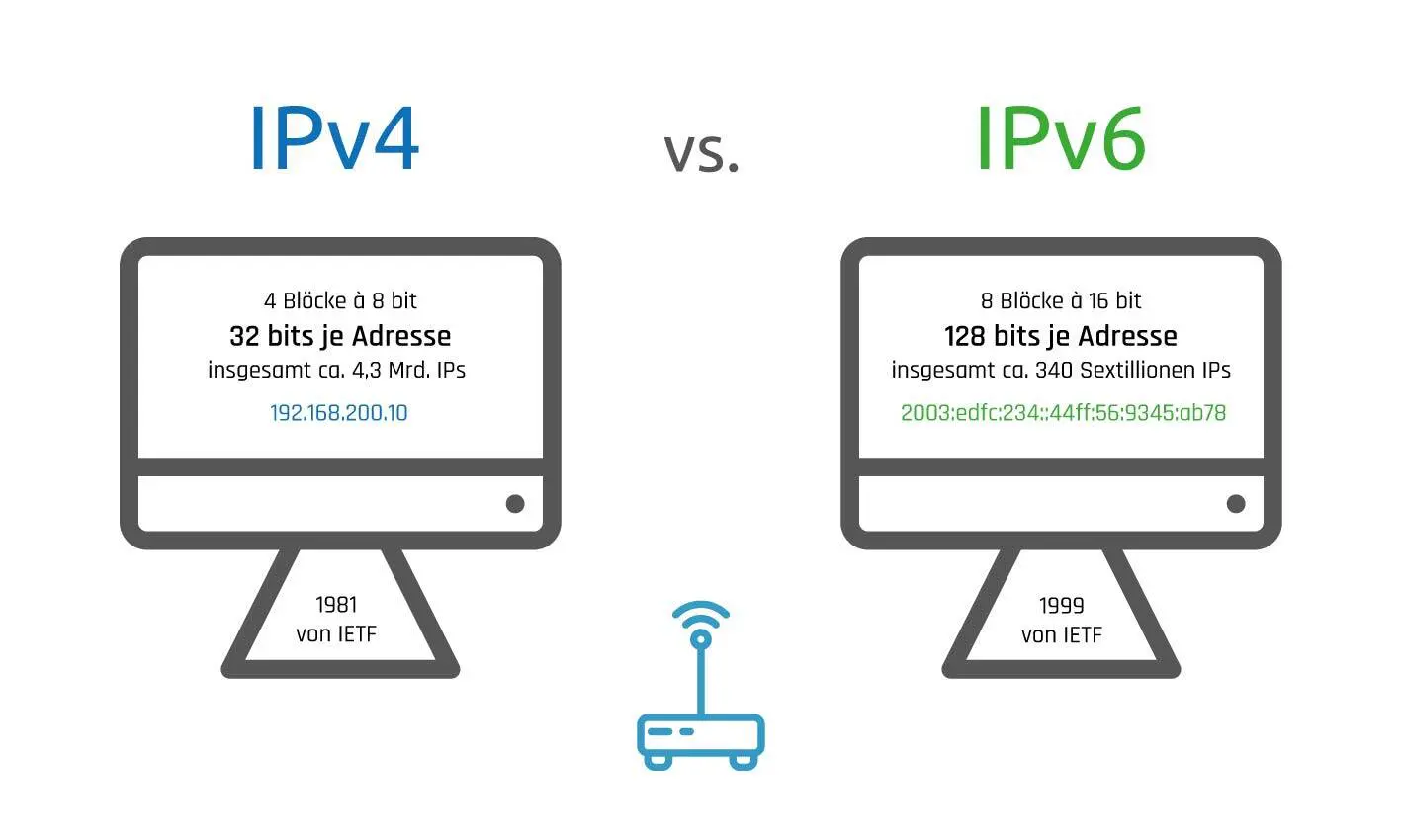
The transition from IPv4 to IPv6 has been one of the most significant evolutions in internet infrastructure. IPv6 was introduced to solve the limitations of IPv4. Many systems, networks, and applications still rely heavily on IPv4 compatibility. As a result, the need to convert IPv6 to IPv4 or enable communication between both protocols remains essential for businesses, developers, and IT professionals. This guide provides a comprehensive overview of how to convert IPv6 to IPv4, its importance, methods, challenges, and best practices.
Reasons to Convert IPv6 to IPv4 Addresses
Compatibility with Legacy Systems
Servers, older devices, and applications are designed specifically to support IPv4 networks. IPv6 to IPv4 conversion will make sure that these systems run smoothly without disruptions. This method enables organizations to have continuity in their operations. They embrace the current standards of networking at their own pace without spending a lot of money on idle operations and technical conflicts in their day-to-day activities.
Simplified Network Management
IT teams who prefer to buying IPv4 block find it simpler to manage the network. The conversion of IPv6 traffic into IPv4 will enable administrators to have good control of the network. This makes it less complex, less prone to human error, and has predictable performance in all the interconnected devices, which is vital in ensuring stable and reliable operations of the businesses.
Cost-Effective Transition Strategy
The entire switch to IPv6 involves costly hardware, software and employee training upgrades. IPv6 to IPv4 conversion is a cost-effective solution that allows companies to leverage the current infrastructure but progressively install IPv6. This smart strategy is a balance between innovation and financial accountability and does not spend capital on redundant projects related to network modernization.
Improved Application Support
Some of the applications, cloud services and enterprise tools are still optimized towards the idea to buy IPv6 addresses. The conversion of IPv6 addresses will make sure that these critical systems are operating in full capacity and compatibility. Organisations do not have to risk interrupting service delivery and failing to provide a consistent user experience.
Common Methods to Easily Convert IPv6 to IPv4
IPv4-Mapped IPv6 Addresses
IPv6 addresses that are IPv4-mapped contain an IPv4 address in an IPv6 form. They normally begin with: ffff and then the IPv4 address. This enables systems to employ IPv4 traffic to IPv6 conditions without sophisticated translation. It is also commonly applicable to backward compatibility and smooth communication between the IPv4 and IPv6 networks.
Network Address Translation 64 (NAT64)
NAT64 allows the conversion of IPv6 packets into IPv4 packets to allow IPv6-only clients to access IPv4 servers. It relies on a DNS64 resolver to look up hostnames to IPv6 addresses and thereafter translates the traffic on a network level. NAT64 makes networks interoperable (especially the dual-stack networks or when deploying IPv6).
Dual-Stack Deployment
Dual-stack deployment is a technology which lets devices operate both IPv4 and IPv6 at the same time. Devices can communicate with IPv4 hosts without any direct conversion by assigning both forms of addresses to interfaces. It allows compatibility and easy transition, such that networks can transition to IPv6 slowly, without having to abandon legacy IPv4 infrastructure.
Convert IPv6 to IPv4: Quick Step-by-Step Guide for Beginners
Step 1: Evaluate your Network Environment
Begin by scanning all network devices, servers and applications. Determine the systems that can support IPv6 and those that only support IPv4. This testing will enable you to chart the scope of conversion, avoid improper configuration and design a migration that will not cause downtime or unexpected issues with connectivity.
Step 2: Choose a Trustworthy Strategy
Select the best conversion strategy once you are buying IPv4 block to use on your network, including NAT64, dual-stack deployment or automatic translation tools. Assess the performance, complexity and compatibility factors to consider the level of compatibility of the approach which is being selected to suit the organizational needs. It is planned properly so that the change is less painful, and the users will feel the least effect.
Step 3: Put the Conversion into Action
Visit devices and servers carefully to use them in the IPv6 traffic mode. Adhere to best practices offered by vendors and use incremental applied configurations where feasible. Preliminary tests to make sure there is connectivity and to watch out for errors. Strict enforcement will avoid any malfunction, and data will flow at all layers of the network.
Step 4: Test and Monitor the Network
Once converted, strictly test the connectivity of all systems, applications, endpoints and cloud services. Trace traffic to identify performance problems, security problems and suspicious traffic. The constant monitoring will ensure that any issues are noticed in time and the administrators are able to make the necessary adjustments to the network to ensure that all the operations run as planned without triggering a downtime situation.
Challenges in Implementation to Convert IPv6 to IPv4
There are technical and operational issues to convert IPv6 to IPv4. Translating an address can result in latency and possible bottlenecking, whereas certain applications may have problems with translated traffic. There might be a need to change security policies, and dual-stack networks are complex to run. To make sure that the performance can be reliable and the number of disruptions can be low, it is necessary to plan, implement, and monitor everything properly.
Unlock Premium IP Solutions with IPV4 TradeHub
Ready to simplify your network infrastructure and gain access to reliable IPv4 resources? IPV4 TradeHub offers secure, scalable, and cost-effective IPv4 address solutions tailored for businesses of all sizes. Whether you need to buy, lease, or manage IPv4 addresses, our expert-driven platform ensures seamless transactions, compliance, and global reach.