
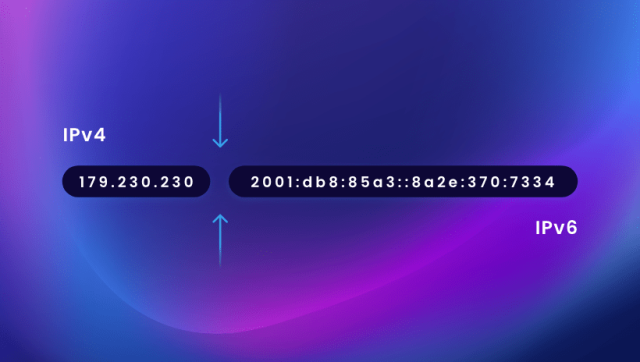
The Internet Protocol, or IP, is the fundamental mechanism which enables every device to locate and communicate with other devices over the internet. Most online networks have been running on IPv4 for years due to its stability, familiarity, and easy management. IPv6 explains the central problem of address shortage and allows future growth, yet it has been adopted slowly. There have been different organizations or companies that prefer IPv4 over IPv6 addresses. This guide explains the primary reasons why I prefer IPv4 over IPv6 addresses and which one is best to invest in.
Significant Reasons to Prefer IPv4 Over IPv6
Well-known and Reliable Technology
IPv4 has been in existence for decades, and teams are familiar with how it benefits a system’s functioning. Numerous engineers have learned how to network using IPv4 and have confidence in the way it works. Such a long history means fewer surprises, predictable processes as well as obvious rules. Most business network operations find the operations of setup, testing and fixing issues quicker and more assured daily.
Good Integration with Other Systems
Most of the business software, devices as well as tools were available when you lease IPv4 addresses. Firewalls, routers and monitoring systems operate effectively without adjustments. Business firms are not forced to undergo sudden upgrades, employee re-education, and service disruption, which may impact customers and day-to-day running when there is a normal growth cycle, planning, and phases.
Less Complex Installation and Troubleshooting
IPv4 occupies fewer addresses as well as setup processes. Networks can read, share and recall the addresses by network teams easily. It is more direct to trace traffic and locate errors when problems are visible. This ease of use saves time, relieves stress, and assists teams to revert swiftly to a lack of activity in case of an outage or in moments of tension when business is brisk in any part of the globe.
Reduced Training and Transition Costs
The transition to buy IPv6 address block needs planning, training as well as testing to complete it. This cost is not a major one that many organizations would want to incur now. IPv4 would enable them to operate existing skills and tools. Budgets remain manageable, projects remain cost-effective and leaders could spend money on areas that can yield visible business value in the absence of technical strain in the present day.
Audited Performance and Reliability
Massive-scale IPv4 networks have been testing long ago. Patterns of performance are in greater demand. They are tuned and shielded by the service providers. This established confidence provides companies with a sense of relief, more so to the vital services that should operate without failure in international markets, industries and sectors.
Why Do Many Organizations Prefer IPv4 Over IPv6?
Many organizations rent IPv4 address due to its suitability for their existing requirements. Their networks operate effectively, making the groups secure and not letting the consumers lose. Most systems and applications, including security systems, tools, and applications, do not require additional effort to support IPv4. It turns out to be time-saving and does not involve any risks. Meanwhile, the cost of training is also low and helps the tasks to perform tasks in a less complex manner daily. They opt for stability rather than speed.
Hence, IPv4 allows them to expand at a gradual rate and make upgrades after careful planning and at their own time. This calmly sustains budgets, eliminates stress, and enables leadership to maintain the focus on the quality of services, revenue targets, and long-term planning of stable growth, trusted systems, and clear decisions nowadays.
Prefer IPv4 Over IPv6: Which is Better?
The decision between IPv4 and to buy IPv6 address follows according to business requirements. IPv6 is the future, but IPv4 is working best for different networking systems. It is not hard to manage, has extensive support, and is reliable to work with. IPv4 provides reliable connectivity, easy troubleshooting as well as predictability. Hence, it is still a viable option for organizations that do not have high pressure to switch.
Above all, it helps manage the current demand as well as enables proper planning. In a variety of real-world scenarios, it can accommodate a team, a client, a budget, a schedule, and service expectations without the additional risk, stress and disturbances to normal operations of an organization.
Key Considerations When You Prefer IPv4 Over IPv6
Integration with Existing Infrastructure
Many legacy systems, routers, and applications continue to use IPv4. The use of IPv4 will save on the cost of upgrading as well as save time for installation. In cases where businesses have stable networks, IPv4 is known to be reliable, well-documented and has large vendor support in terms of hosting, security and monitoring systems around the globe today.
Simpler Network Management
Many IT teams find it easier to use IPv4. Address formats are not complex, tools are not new, and troubleshooting is quicker. Where time to train staff is essential, IPv4 reduces the learning time, error-prone rates, and assists the team in responding to outages or performance problems within business processes.
Enhanced Support for the Older Systems
Some of the networks need to be compatible with the older clients or partners, or even the software. IPv4 provides a free flow of communication without translation layers. This reduces latency, prevents complicated gateways and maintains connections. In the case of customer-special services, consistency and predictable behaviour tend to be important as opposed to new features in the day-to-day business.
Recognizable Security Constructs
In some settings, IPv4 can provide easier security planning. It is built into existing firewalls, access rules and audits. IPv4 also helps in preserving established controls as well as maintaining established practices. Hence, it enables security personnel to utilize the time monitoring, responding and complying instead of network architecture redesigning.
Unlock the Power of IPv4 Assets with IPv4 TradeHub
IPv4 TradeHub is your trusted marketplace for buying, selling, and leasing premium IPv4 addresses. As IPv4 demand continues to rise, secure your competitive edge with verified address blocks, transparent transactions, and expert support. Whether you are expanding infrastructure or monetizing unused IP assets, our platform delivers reliability, compliance, and maximum value.