IPv4 addresses are increasingly scarce as the internet continues to grow, making available address space a valuable digital asset. This scarcity has created a strong secondary market where organizations buy, sell, and lease IPv4 blocks to meet operational needs. Because these transactions involve critical internet resources, it is essential to follow legal and secure procedures. Regulated brokers as well as specialized marketplaces play a key role in ensuring compliant, transparent, and safe transfers. This guide explores in detail about how to sell or lease your IPv4 block legally.
How to Sell or Lease Your IPv4 Block Legally (Step-by-Step)
Check Eligibility with Regional Internet Registry (RIR)
To lease IPv4 addresses ensure that you are the rightful owner of the resources before selling or leasing any IPv4 address block. Compare your records of allocation with your Regional Internet Registry like ARIN, RIPE NCC, APNIC or any other, depending on the region. Make sure that the block is clean, does not have any disputes and is fully transferable under policy.
Evaluate the Market Value of your IPv4 Block
The IPv4 addresses are a limited resource, and their market price varies depending on the demand, block size as well as location. Smaller blocks have the price higher per-IP, whereas bigger blocks are available at bulk rates. Before moving on, you should check what is available in the market, seek the advice of brokers, or use valuation services to know what they are offering.
Select Between Selling or Leasing the Block
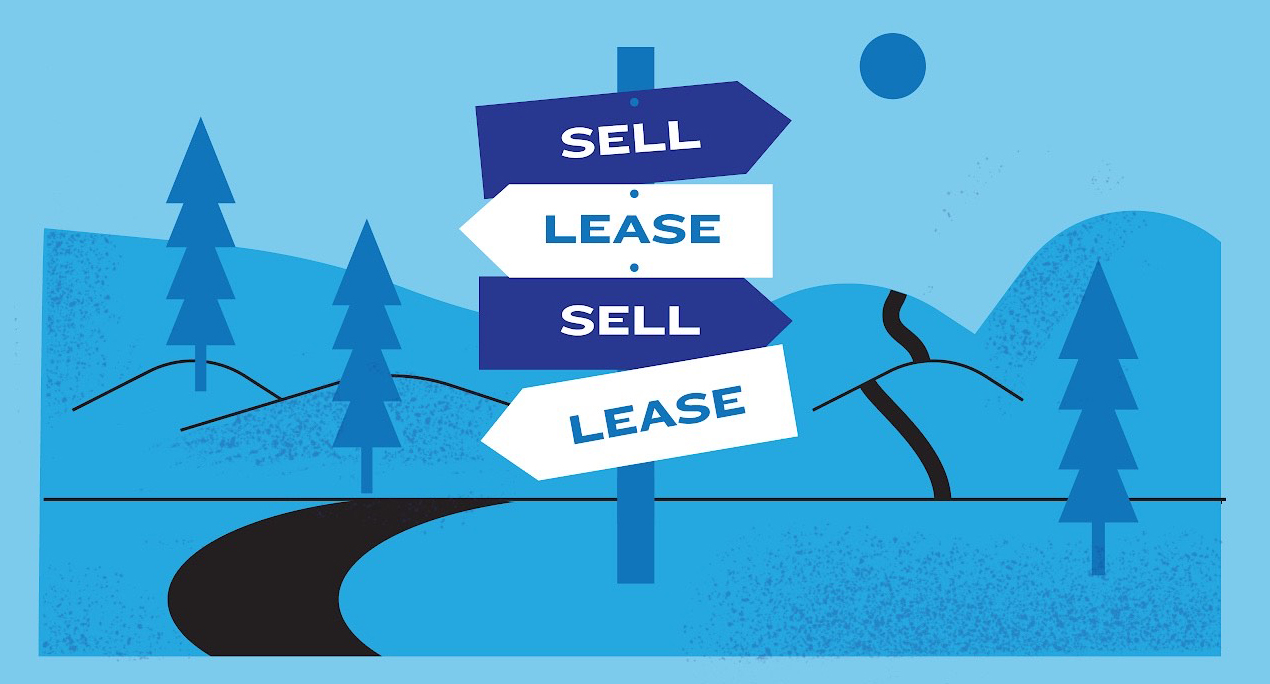
Choose to make a single sale or have recurring revenue by leasing. The immediate capital is obtainable by selling, but you lose the ownership forever. Hence, leasing will enable you to have ownership and still generate long-term revenues. This decision must be depending on the financial objectives, asset plan and future network needs.
Sign a Trusted IPv4 Broker or Marketplace
To comply with the law and make sure the transactions are safe, collaborate with a reputable IPv4 broker or marketplace. They deal with due diligence, buyer verification, escrow services and RIR coordination. This will minimize fraud risks, ensure proper documentation of transfers and will assist you in finding verified buyers or lessees worldwide.
Full RIR Transfer/ Lease Agreement Process
After the settlement of the deal to buy IPv4 address block, the transfer or lease should get approval by RIR. In the case of sales, the ownership gets the transfer record. Hence, for the leases, the agreement is registered as long as you still own it. The transaction would require proper legal registration and adherence to the policies of the registry to be finalized.
Risks of How to Sell or Lease Your IPv4 Block Legally
Leasing or selling IPv4 blocks involves a number of risks unless done so. Fraud is one of the biggest risks, as unverified buyers can seek to take advantage of or postpone payment. The other danger is failure to adhere to the policies of the Regional Internet Registry. This may lead to a denial of transfers or the suspension of an account. Hence, pricing can also face impact by market volatility, which can result in a loss of money when the timing is not good.
Also, contracts that are not well written can lead to conflicts over ownership or the terms of the lease. Another risk is IP hijacking, unless the correct procedures of escrow and verification are applied. Legal as well as broker advice is important to reduce these risks to a minimum.
Sell or Lease IPv4 Block: Which is Better?
The decision to sell or rent IPv4 address will be based on your financial and strategic objectives. Selling will give you instant access to liquidity and will be appropriate in case you are interested in a one-time payout or do not need the addresses anymore. Nevertheless, it permanently assigns ownership.
Leasing, however, provides a consistent flow of income with the ability to retain ownership of the asset. This is suitable to long-term investors or organizations that anticipate future network growth. Another advantage of leasing is the increase in IPv4 demand as time goes by. The end result is that selling is more advantageous in the short-term. On the other, leasing is more advantageous in the long-term in terms of revenue and asset retention strategy.
FAQs: Common Questions People Often Ask
1. Can you sell IPv4 addresses?
For selling purposes, the transfer is in accordance with the provisions of the corresponding RIR (ARIN, RIPE NCC, APNIC).
2. What is the value of an IPv4 block?
Value is dependent on the block size, region and demand. Smaller blocks cost per IP, and larger blocks are more valuable.
3. What is the difference between selling and leasing IPv4?
The transfer of ownership is permanent in selling and permanent in leasing. The former lets you make a recurring income through retaining ownership and the latter lets you make a recurring income without retaining ownership.
4. What is the time of IPv4 transfer?
Typically, it is around a few days to a few weeks, based on documentation and registry approval.
5. Do I require a broker to sell IPv4 addresses?
Not mandatory, but highly desirable in legal safety, improved pricing, and safe transactions.
Unlock the True Value of Your IPv4 Assets with IPV4 TradeHub
Turn your unused IPv4 blocks into a powerful revenue stream with confidence and compliance. At IPV4 TradeHub, we simplify the entire process of buying, selling, and leasing IPv4 addresses through secure, RIR-compliant transactions. Our expert team ensures transparent pricing, verified buyers, and safe escrow handling so you never face risk or uncertainty.