IPv4 and IPv6 are two types of Internet Protocol (IP) that help in communication between devices online. IPv4 is an older protocol that is still prevalent in use, and IPv6 is newer and is common for increased device support. The question of whether or not IPv6 is faster than IPv4 was a very popular topic in the past. It plays a key role when you are streaming, gaming, using IoT devices and during cloud-based services. This article looks at the question of is IPv6 is really faster than IPv4, or if it’s just another myth.
Is IPv6 Faster Than IPv4? Reality Explained
By default, there is no difference in speed between IPv6 and IPv4. The speed has more to do with the support of your Internet provider, routing and your device. IPv6 is slightly more efficient because it gets rid of NAT and also has a simpler header, which results in faster processing of packets by routers. Many networks, however, are still attentive towards IPv4, and actual speed differences are often negligible.
In fact, due to improvements in caching and infrastructure, IPv4 will appear to be faster in some cases. IPv6 is not necessarily about speed; it’s about scalability and efficiency. So, when users use either protocol on a day-to-day basis, they will generally not notice the difference between IPv4 and IPv6.
IPv4 vs IPv6: Core Technical Differences to Know
Addressing System
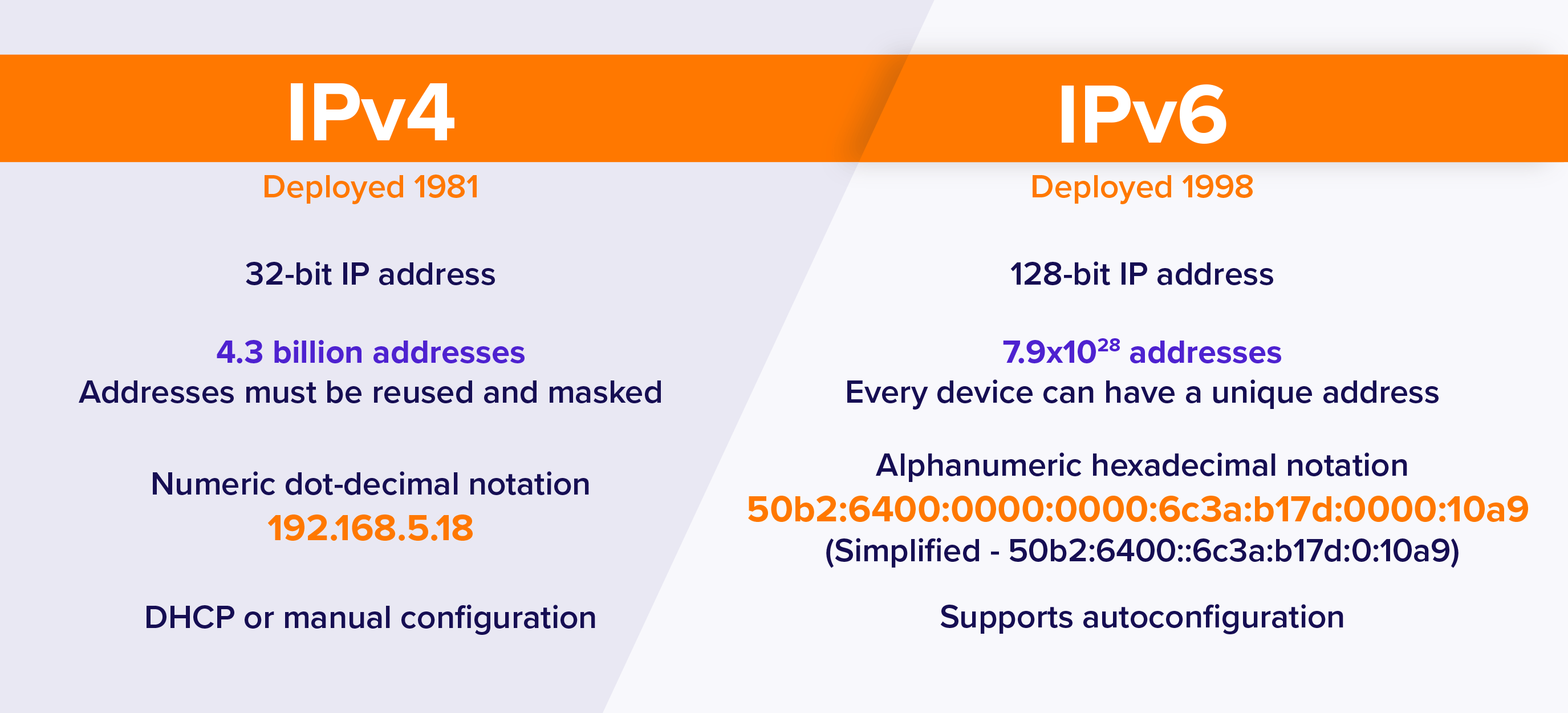
When you buy IPv4 address know that it has 32-bit addresses and can support up to 4.3 billion unique IPs. IPv6 has 128-bit addresses, which means that there are an extremely large number of IPs. This is a solution to address exhaustion. IPv6 enables more devices to connect directly to each other without sharing IPs. Now, it is very efficient in supporting the modern growth and future expansion of connected devices across the globe.
Packet header structure
The IPv4 header carries many optional fields and is complex, thus slowing processing. The IPv6 headers are smaller and constant in size, which simplifies and quickens the processing of headers by routers. This cuts down on overheads and makes things more efficient. IPv6 also eliminates the need for routers to deal with unnecessary fragmentation, which helps in overall performance.
NAT usage
Due to the limited addresses, an IPv4 network may need to use NAT (Network Address Translation). This introduces additional processing and complexity. IPv6 has plenty of addresses for any and all devices and doesn’t need NAT. This enables direct device communication, minimizes delay, and makes it easier for businesses, ISPs and large internet systems today to manage their networks.
Superior Configuration
IPv4 networks typically require manual configuration or DHCP setup. Devices can automatically configure their own IP address in IPv6 lease. This feature is popular as stateless address autoconfiguration. In today’s complex networking environments, it minimizes installation time, eases network installation, and speeds network installation without performing complicated administrative tasks.
Security design
IPv6 was designed to be secure and has built-in support for IPsec, which can be used to encrypt and authenticate data. IPsec can also be used with IPv4; however, this is not the default. The structure of IPv6 allows communication to be more secure. But administrators today still need to rely on proper configuration, firewalls and network management practices for true security.
Performance and Routing
When you plan to buy IPv6 proxies know that it is more efficient in routing, due to its hierarchical address structure. This enables more efficient routing table aggregation and minimizes the size of routing tables on the Internet. The address space is limited making for more fragmented IPv4 routing. While in some scenarios IPv6 can help to reduce congestion on the network, it is still dependent on network infrastructure and optimization on the providers.
Security Differences Between IPv4 and IPv6 Addresses
IPv6 has much premium built-in security features than IPv4. It is designed to support IPsec, which helps to protect data using encryption and authentication. Security tools are also available for IPv4, but they are optional and may not always be on. More direct connections in IPv6 mean that it is less dependent on NAT, leading to better transparency and monitoring.
Hence, IPv6 comes with its default set of “safety. It still requires firewalls, updating and proper configuration. IPv4 security relies more on external tools and network configuration. In both instances, human error is significant. The bottom line is that while IPv6 does offer a more solid foundation, security is a matter of proper implementation and management these days.
Future of IPv4 and IPv6 Beyond 2026
Beyond 2026, it is projected that adoption of IPv6 will accelerate due to the scarcity of IPv4 addresses. Today, many devices and networks already use IPv6, and ISPs are phasing it in. There will still be legacy IPv4 systems for a long time, but the use of this address will gradually fade out. Dual-stack systems will continue to be in use during the transition.
To accommodate the proliferation of IoT devices, smart systems and the expansion of the global Internet, IPv6 will be necessary. Eventually, it may be the default standard with IPv6. But the timeline for the complete IPv4 replacement will be many more years, if not decades, on global scale in the future.
Unlock High-Value IPv4 Assets Instantly with IPv4 TradeHub
Looking to maximize your network performance, investment, or infrastructure needs? IPv4 TradeHub gives you access to premium IPv4 address blocks with secure, fast, and transparent transactions. As IPv6 adoption grows, IPv4 resources are becoming more valuable than ever. Don’t miss the opportunity to secure critical digital assets before demand rises further.