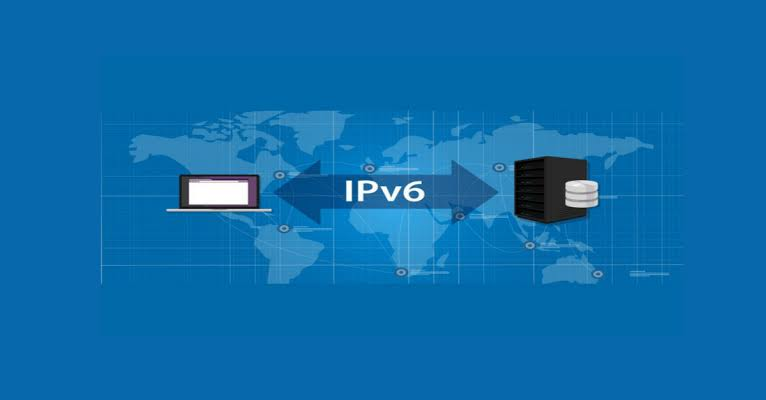
The internet is expanding and connecting to an increasing number of users, devices, and services around the world. The advent of cloud computing, Internet of Things (IoT), Artificial Intelligence (AI), and 5G networks is creating a huge demand for particular IP addresses. However, something is lacking in the growing demands to accommodate the tiny amount of address space in the IPv4 protocol. In 2026, this will be an important year for both companies and enterprises considering the possibilities of scalable deployment and future-proofing the networks with IPv6. This guide explains the key reasons why the internet needs IPv6 in 2026.
Key Reasons Why the Internet Needs IPv6 in 2026
More IP Addresses for Growing Devices
IPv6 has a much larger number of IP addresses than IPv4. There are billions of devices such as smartphones, computers, smart home devices, smart sensors, and smart connected machines already online. We all want to grow within the universe of the internet, but we don’t want it to become overcrowded with too many devices online.
Better Support for IoT Expansion
The Internet of Things is making fast and steady inroads into homes, cities, health, and industries. Each device on the internet can be uniquely identified with an IPv6 address. This enables the devices to communicate more easily, to be scalable, and to allow future innovations in connected devices globally.
Improved Network Performance
An IPv6 protocol reduces network routing complexity and removes the need for the application of complex protocols like NAT. Hence, this allows data to flow quickly through networks. Leasing the IPv6 addresses helps businesses establish faster and more reliable connections, assists them with managing the overall network, and helps to improve its performance.
Enhanced Security Features
There is not much better support for modern security needs in the design of IPv6. It can be used in conjunction with other technologies, such as IPsec, for data security between the systems. Security of the network and secure communication on the devices, applications, and services can be enhanced.
Future Digital Growth
As the Digital Transformation journey continues, it is critical that the networking system is suitable for future needs. When you buy IPv6 address, know that it helps to grow the internet, and the emerging technologies such as 5G, cloud, smart infrastructure, and artificial intelligence.
Challenges Businesses Face During IPv6 Migration
A lot of challenges take place during the migration to IPv6. Different network resources, such as hardware, software and applications, that are already in place, may not be best suited to IPv6 and require upgrades or revisions. IT teams may need additional training to stay effective in troubleshooting and operating in an IPv6 environment. When migration occurs, there may be compatibility problems between IPv4 and IPv6.
Security policies and monitoring might change with new requirements being introduced on the network. Planning, testing as well as implementation would be time-consuming and/or resource-intensive. These challenges are present, but if an organization is taking time to prepare and has a migration plan, it can help to minimize the risk and impact to the business when moving to IPv6.
Industries Driving IPv6 Adoption in 2026
It has been predicted that a huge number of industries will lease IPv6 addresses in 2026. Internet service providers are rolling out IPv6 networks to gain higher traffic as well as mobile networks. To meet the needs of the ever-increasing internet traffic and mobile connectivity, internet service providers are rolling out IPv6 networks. Cloud service providers are adopting IPv6 to meet the demands of huge infrastructure and consumer demands.
Smart city projects are based on the implementation of IPv6 to facilitate the integration of sensors, transport networks, and public services. Medical organizations, by adopting IPv6 are able to enable connected medical devices and telehealth solutions. IPv6 is used in Industrial automation and the deployment of Internet of Things in manufacturing companies. The need for scalability and to enable digital banking services has also led financial institutions to deploy IPv6. Hence, these areas are accelerating the worldwide march towards an IPv6 network.
Preparing Your Organization for an IPv6 Future
Step 1: Assess Current Network Infrastructure
You need to look at your existing network and determine what it is. Define hardware, software, applications, and security systems that are compatible with (and need to be updated for) IPv6. A full assessment allows m organizations to know their readiness, set migration priorities, and make sure they have no issues during the migration process.
Step 2: Develop a Clear Migration Strategy
Complete migration plan (Goals, Schedule, Cost, Accountability). Add Testing Stages and Risk Management Processes. A plan allows businesses to stay alive and have a smooth and well-organized transition.
Step 3: Upgrade Systems and Applications
Buying and replacing legacy (legacy IP version 6) unsupported networking equipment, operating systems, and business applications. This helps to reduce conflicts and to improve the performance of all systems. To build solid infrastructure to support the needs of IPv6 selling.
Step 4: Train IT Teams and Staff
Conduct training sessions to raise awareness of technologies on addressing, configuration, security, and troubleshooting among IT workers. Having well-trained teams on hand will help the migration project be managed more effectively. This will help to handle technical issues more successfully when they arise, reducing risk and improving chances for successful deployment.
Step 5: Test, Monitor, and Optimize
Testing of IPv6 in a controlled environment prior to rollout. Be extra vigilant in regard to performance, security, and compatibility. Once implemented, keep an eye on network performance and fine-tune it as needed, and if there are any issues, troubleshoot them to ensure successful, efficient, and reliable business operations.
Future-Proof Your Network with Premium IP Resources
As IPv6 adoption accelerates and IPv4 scarcity continues to drive market demand, securing the right IP resources has never been more important. IPv4 TradeHub helps businesses buy, sell, lease, and manage IPv4 address blocks with confidence and transparency. Whether you are expanding infrastructure, preparing for IPv6 migration, or optimizing existing network assets, our experts provide custom solutions to support your growth.