Internet Protocol version 4 (IPv4) and Internet Protocol version 6 (IPv6) are networking standards used to identify and route devices across the Internet. IPv4 is becoming exhausted due to the rapid growth of connected devices, making the transition to IPv6 essential. This shift supports expanding global internet demand. This article outlines how do you change from IPv4 to IPv6, reasons for the transition, challenges, and benefits of adopting IPv6 globally across modern networks.
Tutorial on How Do You Change from IPv4 to IPv6
Let’s discuss the key steps to learn how do you change from IPv4 to IPv6 address solutions:
Check Current IPv4 Settings
Find your device’s network settings and check your current IPv4 address. Review an IP address, subnet mask, and gateway. This will allow you to know what your current setup is prior to making changes. Carefully record all the values for reference in IPv6 setup and troubleshooting to complete the next steps safely.
Configure the Router to Enable IPv6
Use the browser and administrator login details to log into your router’s admin panel. In the network section, find the IPv6 settings. Turn on IPv6 and save. Restart the router if required. Therefore, your network can begin using IPv6 addresses along with IPv4 to enhance connectivity and performance right away.
Set up OS Network Settings
Open the Computer network settings and click on Adapter properties. Choose IPv6 protocol and make sure that it is checked. Set up automatic IP and DNS (if required). Save changes and reconnect to the network. This will cause the system to obtain IPv6 addresses from the currently active router configuration.
Update DNS / Network Settings
Adjust the DNS settings with your ISP’s IPv6 servers. Carefully enter preferred and alternate IPv6 DNS addresses. This enhances browsing speed and connectivity. To make settings take effect in all applications and services that are set up, save settings and restart network connection.
Verify IPv6 Connectivity
Use online IPv6 test sites or tools to test Internet connection. Make sure that the IPv6 address is enabled and functioning properly. Check loading speed as well as website accessibility. Repeat the process of restarting the router or readjust settings if problems occur. Successful verification means that the entire IPv6 transition is completed successfully.
Key Reasons to Change from IPv4 to IPv6 Addresses
Larger Address Space
When you lease IPv6 addresses know that it offers much greater address space than IPv4. This will enable billions of new devices to connect without exhausting IP addresses. It is very scalable globally. Hence, it enables every device to obtain a unique and permanent network identity globally, which also supports future growth of the Internet.
Better Network Efficiency
IPv6 is enhanced to do a better job at routing and makes packet processing easier in networks. It lightens the load on routers and enables quicker data transmission. In today’s global modern infrastructures, networks are becoming more direct and smoother with fewer workarounds such as NAT, which results in improved overall internet performance and reliability.
Improved Security Features
IPv6 also has built-in security features, including support for IPsec, to improve the security of data transmission as well as authentication. This will keep users safe from cyber hazards and unauthorized access. It offers higher levels of communication security than provided by IPv4, and better protection for the use of the Internet by users and service providers anywhere.
Future Proof Technology
Organizations buy an IPv6 address for future internet technologies such as IoT, smart devices, and cloud computing. It helps to make networks sustainable and scalable for the long-term. In the present context of rapid growth of digital devices, IPv6 provides a stable basis for the Internet infrastructure needs of today and the future, worldwide.
Challenges When you Change from IPv4 to IPv6
For many users and organizations, learning how do you change from IPv4 to IPv6 can be a difficult task. Compatibility is an issue, as older devices and software might not be fully compatible with IPv6. This may involve a hardware upgrade, configuration adjustments, and technical expertise, thus boosting the expense and effort on the part of the company.
The idea of selling IPv6 addresses by Internet service providers (ISPs) could also be limited. This will result in a slowdown in the complete rollout and seamless migration for all Internet users. Some configuration issues, learning curve challenges as well as temporary connectivity problems may occur during the migration process, impacting productivity and user experience. These problems are minimized over time with proper planning, training, and a slow-paced transition for overall success.
FAQs: Common Questions People Often Ask
1. Can I use IPv4 and IPv6 at the same time?
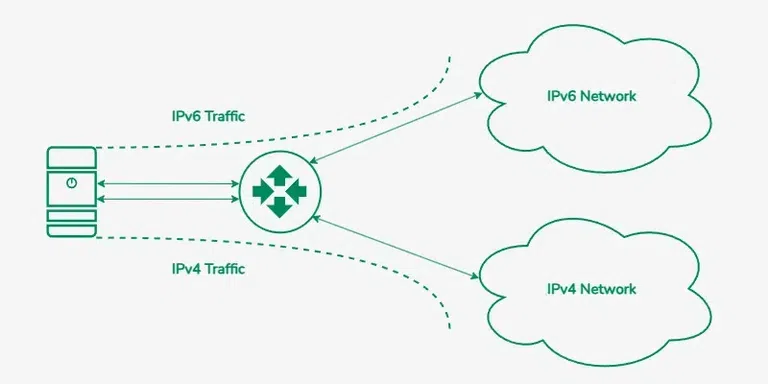
Yes, through a dual-stack configuration, both IPv4 and IPv6 can run simultaneously.
2. Is IPv6 faster than IPv4?
In many cases, IPv6 offers better routing efficiency, but actual speed depends on ISP and network setup.
3. Do all devices support IPv6?
Most modern devices support IPv6, but older hardware may require updates or replacement.
Unlock Seamless Internet Growth with IPV4 TradeHub Today!
Looking to upgrade your network infrastructure or trade IPv4 resources efficiently? IPV4 TradeHub is your trusted marketplace for secure, fast, and reliable IPv4 solutions. Whether you’re scaling your business or preparing for IPv6 migration, we help you stay ahead with seamless IP management services. Don’t let outdated systems slow you down, and experience smarter networking.