IP addresses have been playing a key role when it comes to communicating on the Internet. It allows the devices to easily identify and connect with one another worldwide. For decades, the use of IPv4 has been popular as a foundation of online networking, where it has been supporting billions of devices. But due to the fast growth of the Internet, IPv6 is taking the place as a modern technique. This has made many organizations to think over should I use IPv4 or IPv6. This guide explains all the insights about key differences and knowing should I use IPv4 or IPv6.
Understanding Between IPv4 or IPv6 Addresses
IPv4 Addresses
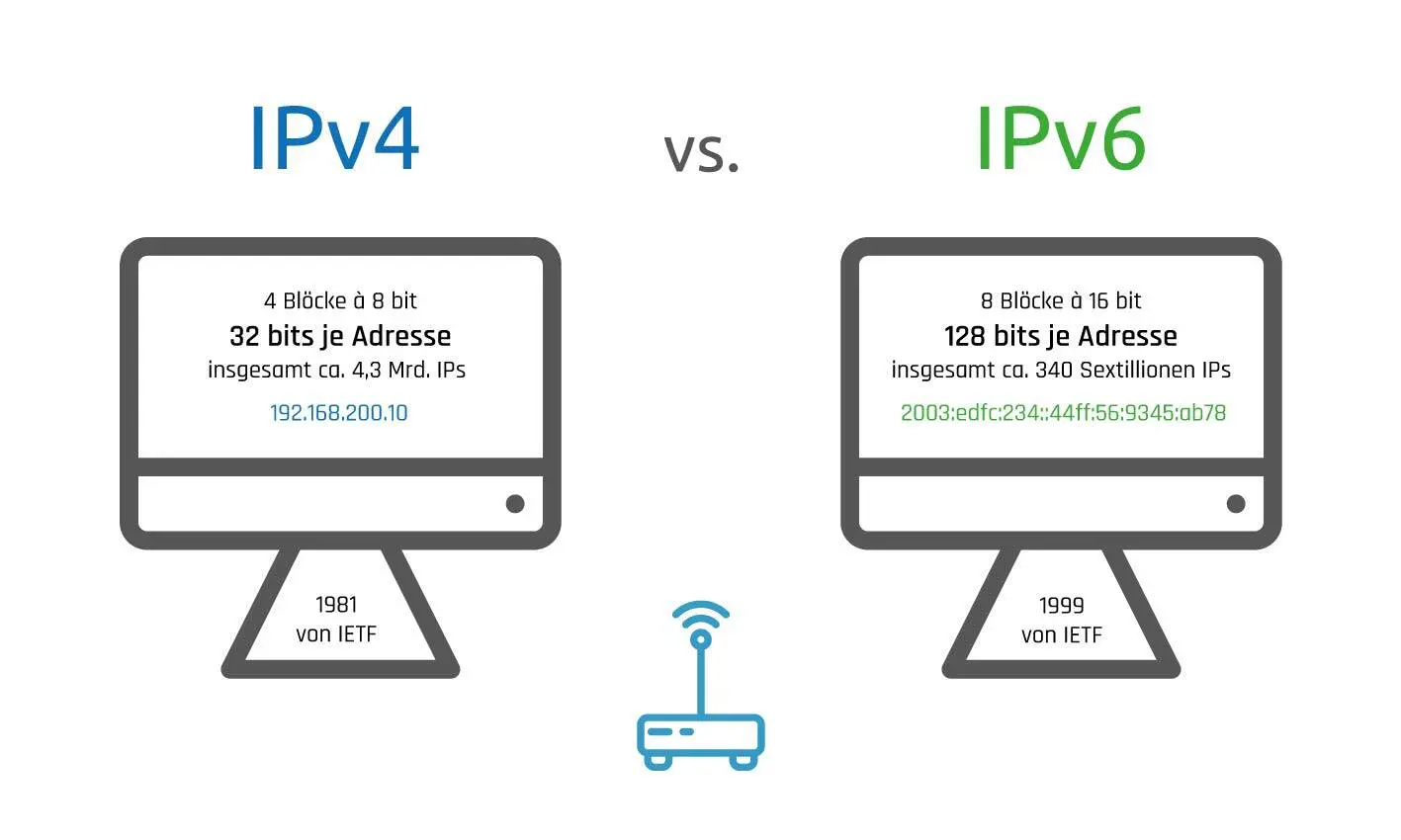
The Internet Protocol (IPv4) is an old protocol that helps to give identification numbers to devices on a network, called IP addresses. It uses numbers separated by periods (dots): 192.168.1.1. When you buy IPv4 address, know that it can give approximately 4.3 billion different addresses. The number of Internet networks has increased rapidly, in which IPv4 has much less to serve on the table. As a result, many Internet networks are now supporting the IPv6 protocol to accommodate future expansion.
IPv6 Addresses
The latest version of Internet Protocol (IP) is called IPv6. This address has been widely replacing the IPv4 solutions in different organizations. It is available with longer numbers and letters in its address, such as 2001:0db8:85a3::8a2e:0370:7334. Hence, IPv6 comes with great room for today’s internet services and devices. It comes with a wide range of different types of IP addresses to smooth the networking process. Plus, it also improves networking performance and security across global networks.
Key Differences Between IPv4 and IPv6 to Know
Address Format
IPv4 addresses are shorter and are easier to read through numeric values separated by dots. IPv6 lease is the modern version of IP solutions that features longer addresses with letters and numbers with a separation colons. They are more complex-looking IPv6 addresses, but are able to connect 16 million, 16 billion, 16 trillion, and beyond devices on the internet networks.
Address Capacity
With the ever-increasing use of the Internet, there are approximately 4.3 billion unique IPv4 addresses. In order to overcome the problem, IPv6 was designed to provide an extremely large number of addresses. This enables a larger number of smart devices, smartphones, and PCs to connect without restriction.
Speed and Efficiency
Most existing networks currently operate well with IPv4, but require additional technologies to handle traffic and cope with shortages. The main purpose to buy IPv6 proxies was to offer seamless routing and communication between different devices. In several cases, IPv6 supports improving the efficiency of the network and reduces any kind of delays in transferring data.
Security Features
Since it was not originally designed with security in mind, there are many other tools and settings that are essential for the security of IPv4. IPv6 features excellent security for Internet communications, which offers built-in encryption as well as authentication capabilities. This will help to keep the data secure and avoid any kind of losing data.
Configuration and Setup
IPv4 devices may need to be manually configured, or additional services (like DHCP) added to the network to make them connect. IPv6 facilitates automatic address configuration, which makes it easier for devices to join networks. This function would save the administrator and user time and ease network management.
Compatibility and Future Use
Even though IPv4 is still commonly used on the Internet, the lack of addresses will hinder long-term growth. In fact, IPv6 is regarded as the future of internet networking, as it has the potential to connect with an unlimited number of devices. Slowly, many companies and service providers implement systems to support the IPv6 technology.
Pros and Cons Between IPv4 and IPv6 Addresses
Advantages/Disadvantages of IPv4
IPv4’s simplicity, general network support, and ease of understanding and management make the concept easy to integrate for a network administrator. IPv4 continued to be popular in most Internet services and devices, with strong levels of compatibility. But Internet usage continues to increase, and IPv4 has run out of addresses. It’s also commonly used in conjunction with NAT, which leads to complicated networks. Communication with security is not assumed to be inherent in an IP package version 4 endpoint, but additional equipment will typically be necessary to facilitate communication with security. Choose the best IPv4 broker while planning to invest in these IP addresses.
Advantages/Disadvantages of IPv6
IPv6 is an internet with exponentially more addresses, which is just right for the future development of the Internet and smart devices! It allows automatic configuration, improved routing, and improved native security options. In many networks, IPv6 can also eliminate the necessity of implementing NAT. But the transition from IPv4 to IPv6 will necessitate investments in new devices, new software, and technical training. Today, far from all devices and websites are compatible with the IPv6 technology.
FAQs: Common Questions People Often Ask
1. What is the main difference between IPv4 and IPv6?
One key difference is the address size. IPv4 comes with 32-bit addresses, whereas IPv6 uses 128-bit addresses. This solution is available with more unique IP addresses.
2. Is IPv6 faster than IPv4?
IPv6 offers lower latency and better routing efficiency in some networks. But the actual speed fully depends on the hardware, network configuration, and ISP.
3. Why is IPv6 replacing IPv4?
IPv4 addresses are running out due to the rapid growth of internet-connected devices. IPv6 provides a much larger address pool for future expansion.
4. Can IPv4 and IPv6 work together?
Yes. Many organizations use a dual-stack setup where both IPv4 and IPv6 operate simultaneously during the transition period.
Upgrade Your Network with Premium IP from IPV4 TradeHub
To pick the reliable option between IPv4 and IPv6 solutions, the best way is to visit IPV4 TradeHub right now. Our platform caters to cost-effective, scalable, and secure IP addresses, designed for cloud businesses, hosting providers, and ISPs. Whether you are managing, leasing, or buying IP resources, our expert team ensures transparent transactions and seamless support. Future-proof your transaction today and avail long-term scalability.