IPv4 Rental: How It Works and Why Businesses Use It
ipv4-rental

IPv4 rental is a networking service in which businesses can lease IP addresses rather than purchasing them. This solution is significant since IPv4 addresses are scarce and they are not adequate to serve all the organizations across the globe. Numerous businesses require IP addresses to operate websites, servers, applications and online services. Renting IPv4 addresses … Read more
How Many IPv6 Addresses Are There? Address Structure and Range

how-many-IPv6-addresses-are-there

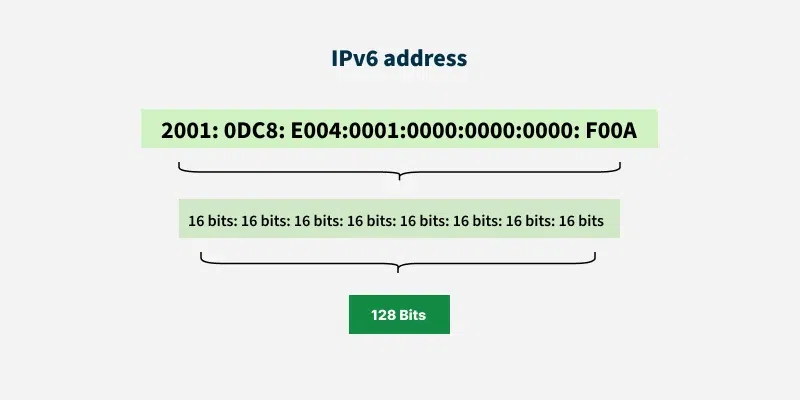
Internet Protocol version 6 (IPv6) is the most recent version of the Internet Protocol. This address helps to identify and locate devices within a network. Previously, IPv4 was popular but had a limited number of IP addresses. But over time, a wide range of internet devices proliferated at an alarming rate. To address this problem, … Read more

Purchase IP Addresses for IPv4: What You Need to Know

Purchase IP Addresses for IPv4

In 2026, IPv4 addresses will continue to be an important digital resource because of the continued growth of the internet and the scarcity of IPv4. Enterprises, ISPs, hosting, and organizations continue to depend on IPv4 to connect their networks, old-school systems, and worldwide connectivity. Since IPv4 has already been depleted on the regional internet registry … Read more

Explain the Difference Between IPv4 and IPv6: Complete Guide

Explain the Difference Between IPv4 and IPv6

The internet relies on special numbers known as IP addresses to connect devices all over the world. Through these addresses, devices can communicate and exchange data over multiple networks in an efficient manner. There are two versions that are in use today, which are IPv4 and IPv6. IPv4 has helped the expansion of the internet … Read more

Convert IPv6 to IPv4: Everything You Need to Know

Convert IPv6 to IPv4

The transition from IPv4 to IPv6 has been one of the most significant evolutions in internet infrastructure. IPv6 was introduced to solve the limitations of IPv4. Many systems, networks, and applications still rely heavily on IPv4 compatibility. As a result, the need to convert IPv6 to IPv4 or enable communication between both protocols remains essential … Read more

IPv4 or IPv6 Comparison: Key Differences Explained

IPv4 or IPv6 Comparison: Key Differences Explained

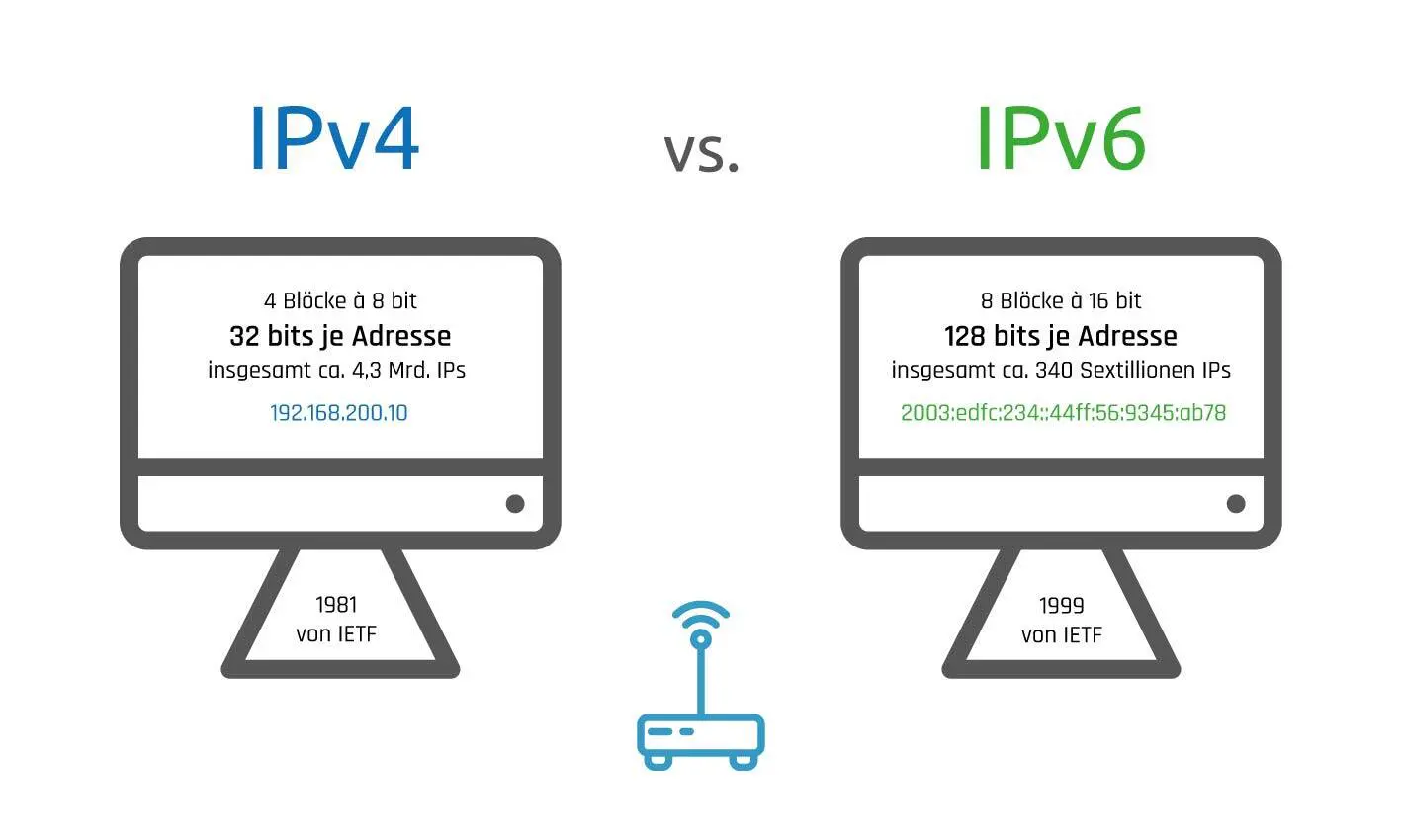
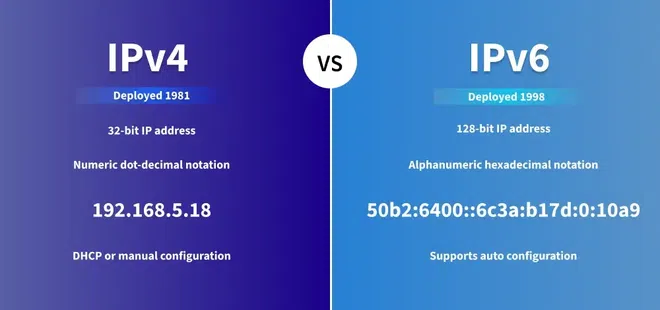
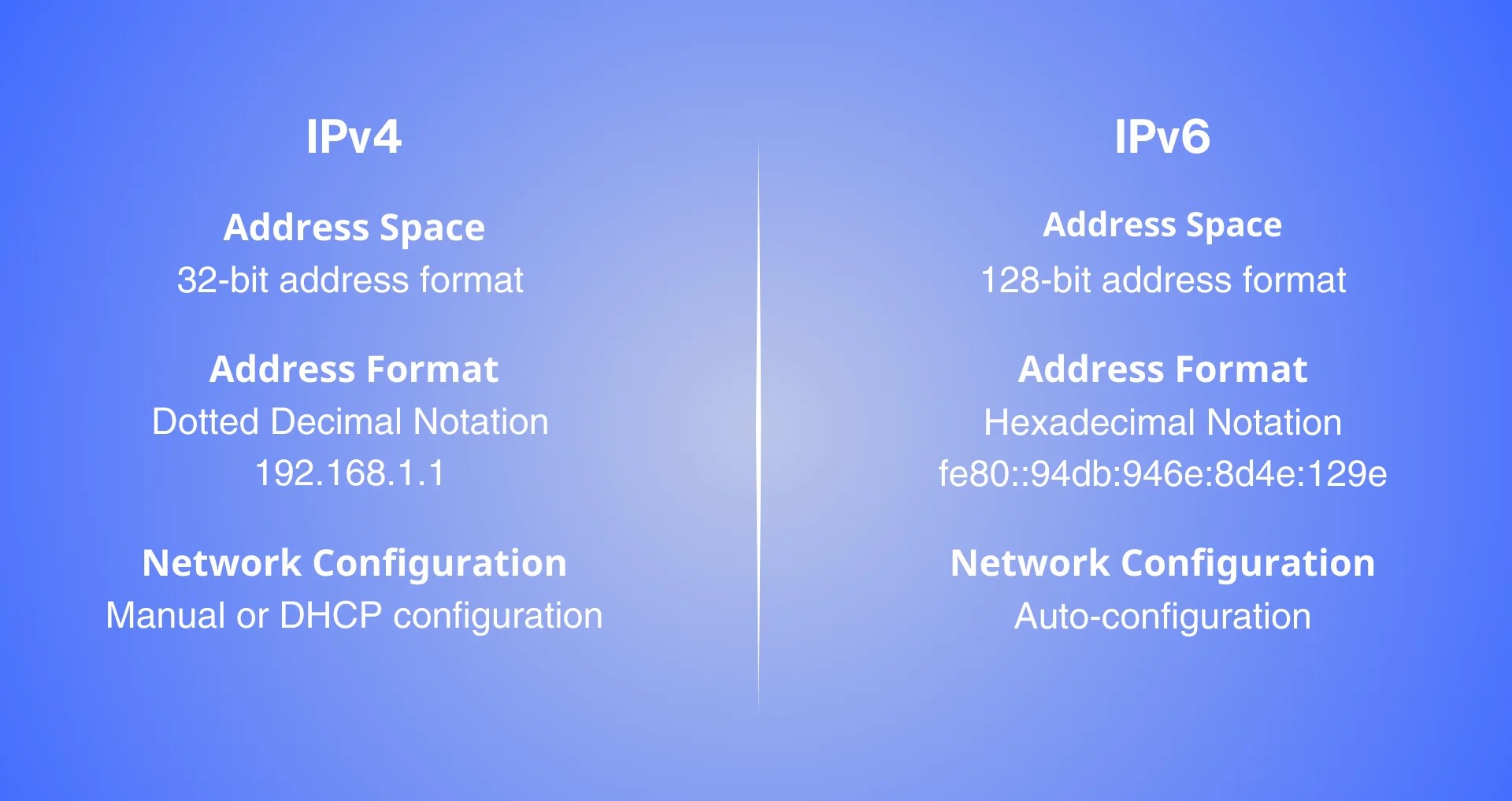
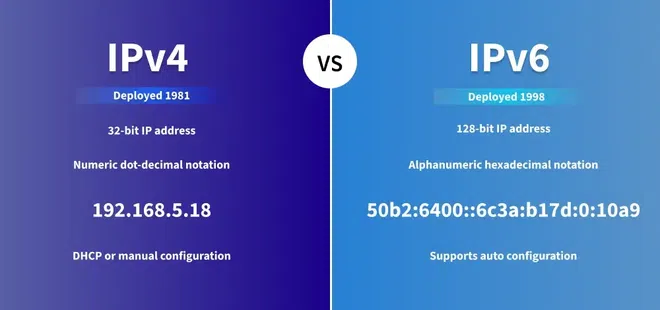
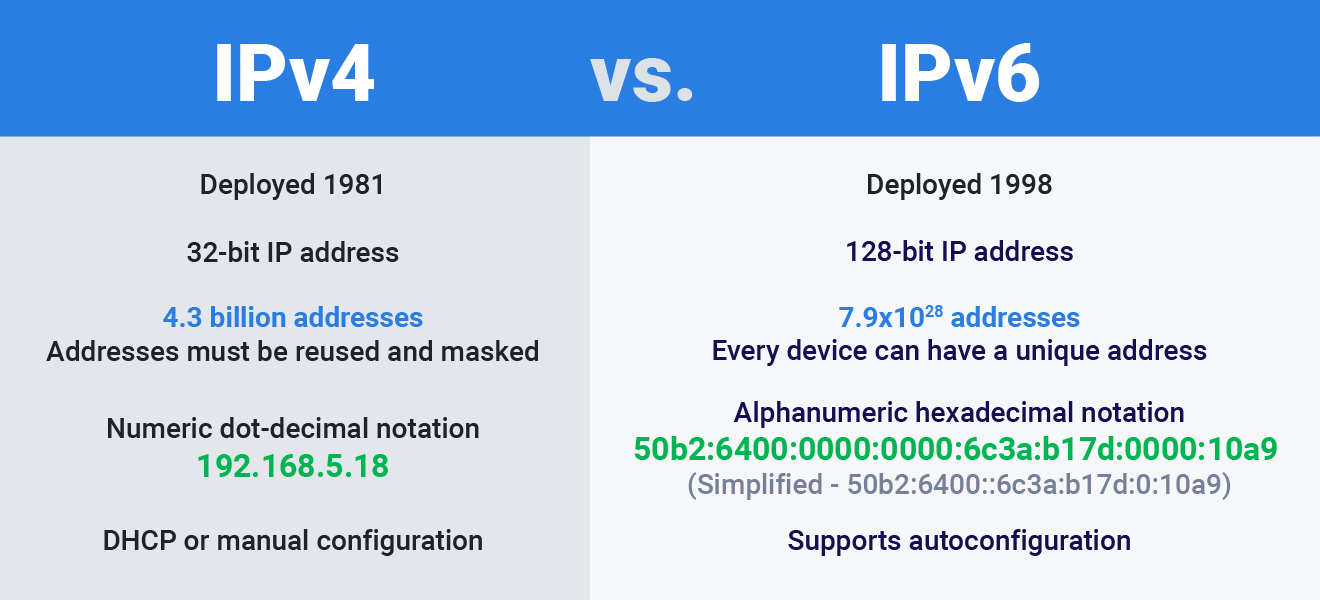
IPv4, the long-standing Internet Protocol, uses 32-bit addresses, supporting about 4.3 billion unique devices. In contrast, IPv6 uses 128-bit addresses, offering virtually unlimited connectivity to meet today’s digital expansion. Beyond address capacity, IPv6 enhances security, simplifies network configuration, and improves data routing efficiency. For businesses and IT professionals, transitioning to IPv6 ensures scalability, future-proofing, and … Read more

Differentiate IPv4 and IPv6 Address

Differentiate IPv4 and IPv6 Address

The internet operates under IP (Internet Protocol) addresses, which allow the device to smoothly communicate. There are two major versions of IP addresses, namely IPv4 and IPv6. Although the internet has been supported by IPv4 for decades, IPv6 is quickly becoming popular as the internet is experiencing a high demand for IP addresses. Business, IT … Read more

What Is IPv6 Address? Format, Types, and Addressing Rules

what-is-IPv6-address

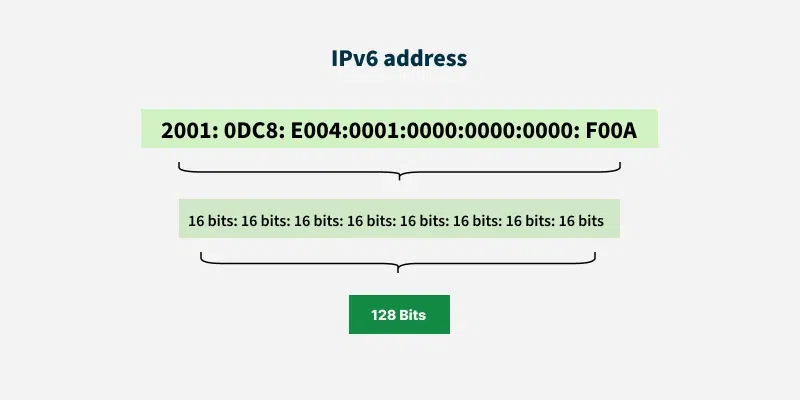
The fast growth of devices connected to the internet has brought an urgent necessity to have a more scalable system of Internet Protocol addresses. The limitations of IPv4 have raised the major need to introduce IPv6 (Internet Protocol version 6). An IPv6 address is a 128-bit alphanumeric number. It has an allocation with various devices … Read more

IPv4 vs IPv6 Which Is Best? Complete Comparison Guide

IPv4-vs-IPv6-which-is-best

The internet uses IP addresses to locate and establish links between devices in networks. As the world goes digital, the change from IPv4 to IPv6 is gaining momentum. IPv4 is still common because it is simple and compatible, whereas IPv6 has a much larger address space and is much more efficient. The decision between IPv4 … Read more

Differentiate IPv4 and IPv6 Address: Pros and Cons Compared

Differentiate IPv4 and IPv6 Address

IP addresses are the basis of the internet, and they consist of unique number identifiers of assigned devices. The two major versions, IPv4 and IPv6, are very important in networking. Although IPv4 has had control over the internet over the decades, IPv6 was formed to address the constraints of IPv4, including address exhaustion. It is … Read more