How Many Bits Are in IPv4? A Complete Explanation

how-many-bits-are-in-IPv4

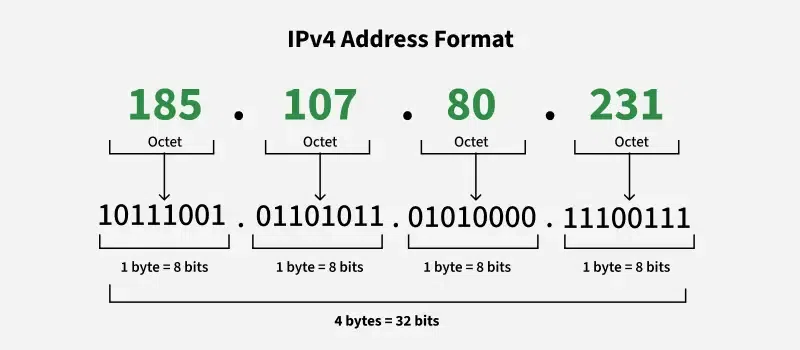
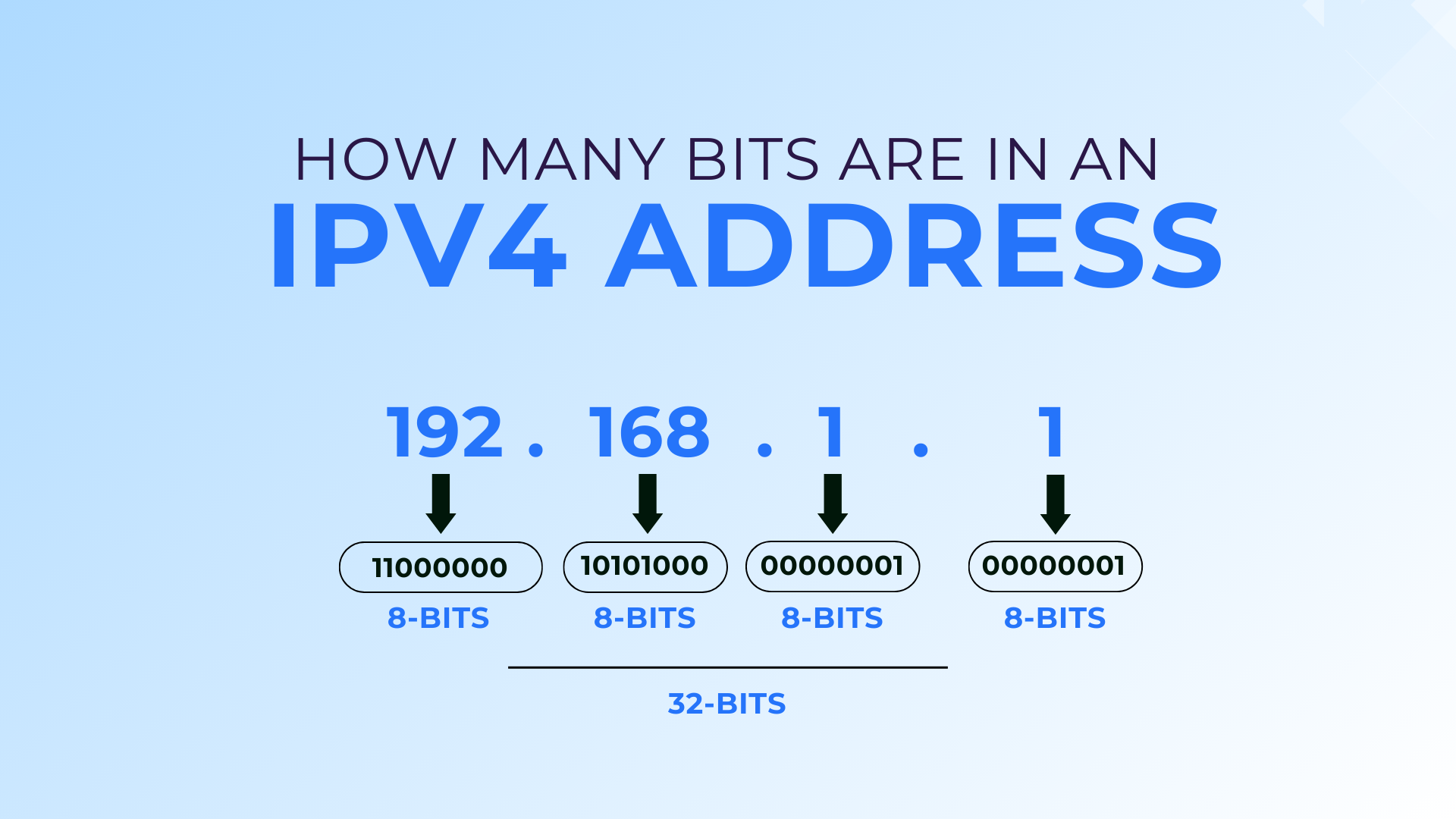
In the world of networking, IP addressing is the key to how devices find and talk to each other. At the heart of this system is IPv4, the most widely used version of the Internet Protocol. It powers everything from your home Wi-Fi to global data centres. You might have heard that IPv4 uses 32 … Read more

IPv4 Addresses Block Price: Buying vs Leasing Cost Comparison

IPv4 Addresses Block Price

IPv4 addresses are integral to modern networking and are helpful to identify the devices communicating over the internet, as they are unique identifiers. Although IPv6 is prevalent, it has not been adopted. This is the primary reason there has been an increasing demand for IPv4 addresses. To businesses and network operators, it is essential to … Read more

IPv4 Address Renting Time: Factors That Influence Lease Length

ipv4-address-renting-time

IPv4 addresses play a significant role in ensuring the connection and communication of devices through the internet. Organizations choose to lease or rent these services to ensure an easy network operation without the large blocks. With leasing, there is flexibility, and networks are much easier to change as the requirements vary. These leases may range … Read more

What Is the IPv4 IP: How It Works in Computer Networks

what-Is-the-ipv4-ip

Modern networking is based on the Internet Protocol (IP). It allows communication between devices on the other side of the world. The most common IP standard is IPv4 or Internet Protocol Version 4, which gives each connection a unique address. Although IPv6 has become a reality, IPv4 is still invaluable in terms of its simplicity, … Read more

Cheap IPv4 Address: Risks, Scams, and How to Avoid Them

Cheap IPv4 Address

Internet connectivity is based on IPv4 addresses, allowing devices to communicate across networks all around the world. The need for such addresses has increased exponentially with the billions of devices online. But the IPv4 addresses are scarce, and moving towards IPv6 raises the scarcity of these addresses. Hence, buying a cheap IPv4 address may appear … Read more

Policy Differences Between IPv4 and IPv6 for Modern WANs

policy differences between IPv4 and IPv6

The modern Wide Area Networks (WANs) support more complex traffic, cloud migrations, the growth of remote work and security threats. IPv4 dominated WAN applications. But the depletion of the remaining IPv4 addresses and the rapid acceptance of cloud platforms have raised the popularity of IPv6 among organizations. Nevertheless, the process of IPv6 migration changes the … Read more

What is the IPv4: A Beginner’s Guide to Internet Protocol

what-is-the-ipv4

The backbone of digital communication is the Internet Protocol (IP). It enables devices to connect and communicate through the internet. Thus, it has a different address for each device, and this means that the information gets into the correct destination. IP is both an essential part of providing a smooth communication process, as well as … Read more

Difference in IPv4 and IPv6: Which One Is Better and Why?

difference-in-Ipv4-and-Ipv6

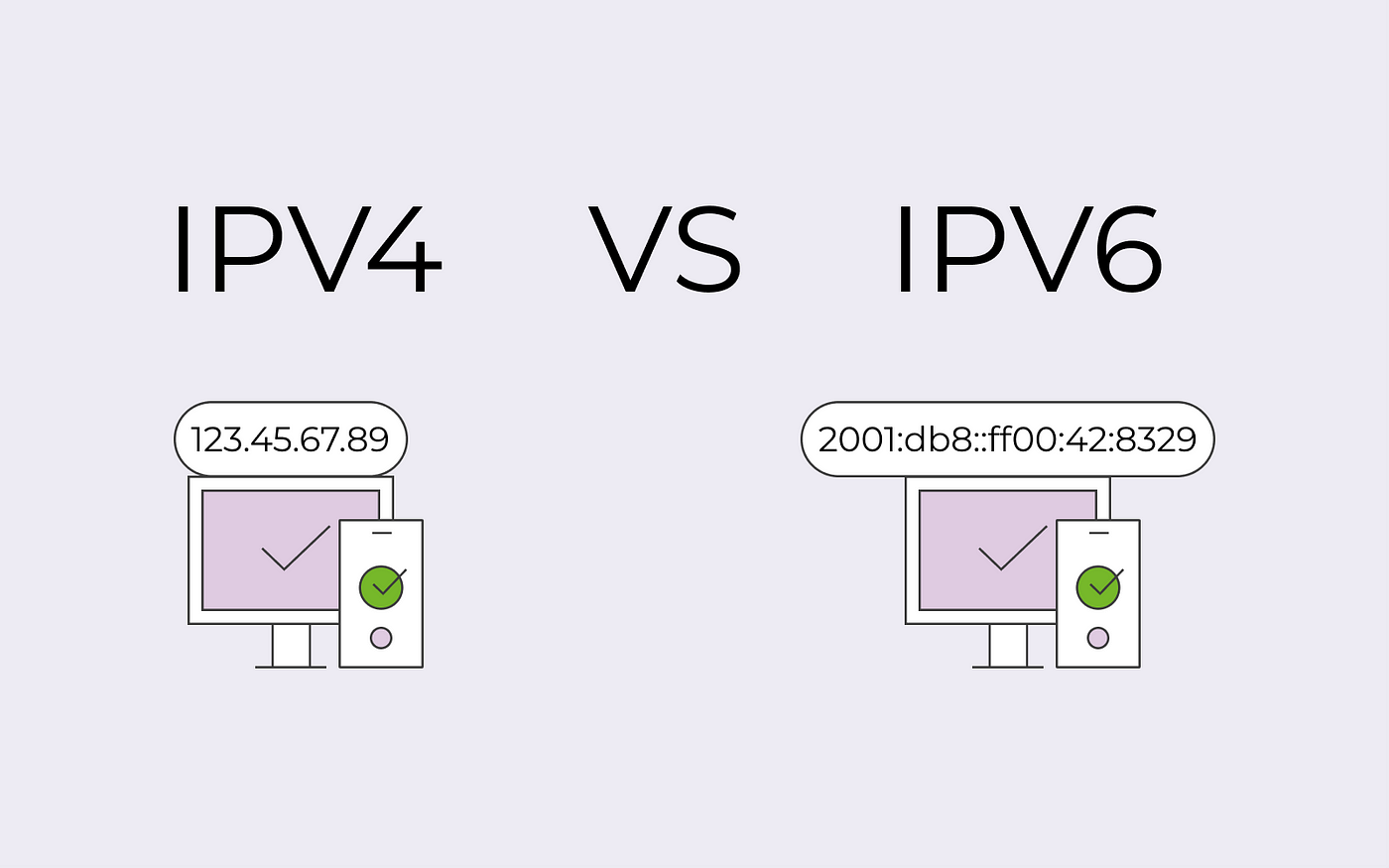
The Internet uses IP (Internet Protocol) addresses to identify devices and allow system communications. Due to the growing global connectivity, the constraints of IPv4 resulted in the development of IPv6, which was a more scalable Internet protocol. The knowledge of the IPv4 and IPv6 distinction supports companies, information technology experts, and technology enthusiasts in selecting … Read more

How Many Bits Are in IPv4: Networking Basics Explained

how-many-bits-are-in-IPv4

The Internet Protocol version 4 (IPv4) continues to be the backbone of internet communication in the large world of networking. IP is a protocol that help to identify and connect with other devices with the help of a unique numerical address. It has a 32-bit address structure, which is normally in a form of dotted-decimal … Read more

What Is the Limitation of the IPv4 Protocol in Modern Networking?

what-is-the-limitation-of-the-IPv4-protocol

Internet Protocol version 4 (IPv4) has supported digital communication for more than 40 years. IPv4 influenced the way the world communicates since it linked primitive networks to powering up billions of online devices. In recent times, however, with the development of technology and the increasing number of devices, IPv4 has become very popular. The constraints … Read more